Container Gardening eBook: Indoor & Balcony Growing Made Easy
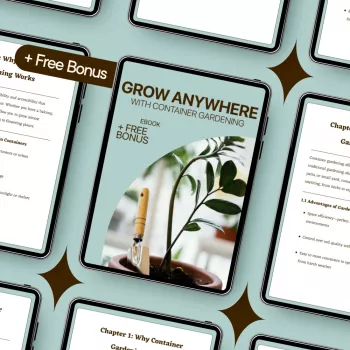
Grow Anywhere with Container Gardening: A Practical eBook for Indoor and Urban Garden Success
Container gardening makes fresh herbs, leafy greens, and even compact vegetables possible in apartments, patios, balconies, and sunny windows—without needing a yard. When space is tight, the basics matter even more: choosing the right containers, building a dependable potting mix, watering with consistency (not guesswork), and matching plants to the light you actually have. The result is a small garden that stays clean, productive, and easy to maintain—whether it lives on a windowsill or a high-rise balcony.
What Makes Container Gardening Work in Small Spaces
Urban and indoor growing succeeds because containers keep the setup flexible and the variables manageable. You can place pots where the light is best, adjust quickly when conditions change, and avoid many of the frustrations that come with poor native soil.
- Flexible placement: windowsills, balconies, doorsteps, rooftops, and shared outdoor areas.
- Better control: you choose the mix, the drainage, and the feeding schedule rather than inheriting problems.
- Quick resets: if a plant struggles, you can refresh the potting mix or replant without turning over a bed.
- Ideal for renters: movable gardens with minimal impact on the property.
- Season extension: containers can be shifted to shelter plants from heat waves or cold snaps.
What’s Inside the eBook
For beginners, the most valuable guidance is often the most practical: how to set up a container correctly, how to keep roots healthy, and how to spot trouble early. The eBook focuses on repeatable routines—simple steps that hold up across indoor and outdoor microclimates.
- Container gardening fundamentals: setup, planting, and easy maintenance rhythms.
- Indoor growing considerations: light, airflow, humidity, and clean watering practices.
- Urban constraints made simpler: small footprints, weight limits, and tidy layouts.
- Guidance to prevent common issues like soggy soil, root crowding, and leggy growth.
- A step-by-step approach designed to help new growers build confidence quickly.
Beginner Problems and the Fix That Usually Works
| Problem | Likely Cause | Simple Fix |
|---|---|---|
| Yellowing leaves | Overwatering or poor drainage | Use a pot with drainage holes; let the top layer dry slightly before watering again |
| Mold or fungus on soil | Low airflow and consistently wet soil | Improve airflow; water less often; remove surface debris |
| Plants growing tall and weak | Not enough light | Move closer to bright light; add a grow light; rotate containers weekly |
| Slow growth | Low nutrients or compacted mix | Refresh potting mix; use a balanced fertilizer at label rate |
| Wilting on hot days | Small containers dry out quickly | Water deeply; mulch the surface; consider a larger pot |
Choosing Containers: Size, Drainage, and Materials
Most container issues start with the pot. Before picking a “cute” container, prioritize root health and practical handling—especially if you’re gardening on a balcony or indoors near floors and windowsills.
- Start with drainage: pots should have holes or a reliable drainage design to prevent root rot.
- Match pot size to the plant: small herbs can thrive in smaller pots; fruiting crops typically need larger soil volume.
- Material tradeoffs: plastic is lightweight and retains moisture; terracotta breathes but dries faster; fabric pots improve aeration but need more frequent watering.
- Plan for weight: wet soil is heavy—use saucers and trays that protect surfaces and contain runoff.
- Simple upgrades: pot feet for airflow, sturdy saucers that won’t overflow, and risers to prevent staining.
Soil and Fertility Basics for Containers
Container plants depend on the mix you provide. Unlike in-ground gardens, there’s no deep soil reservoir to buffer mistakes. A light, well-structured potting mix supports drainage, oxygen, and steady moisture—three essentials for healthy roots.
For additional science-backed guidance on container mixes and care, see references from the University of Minnesota Extension and the Royal Horticultural Society.
Light and Placement: Indoor, Balcony, and Patio Setups
Plant Groups and Typical Light Needs
| Plant Type | Typical Light Need | Container Tip |
|---|---|---|
| Herbs (many types) | Bright light; some tolerate partial sun | Use well-draining mix; avoid oversizing pots for small herbs |
| Leafy greens | Moderate to bright light | Keep evenly moist; harvest often to encourage regrowth |
| Fruiting plants (compact varieties) | Bright light / more sun | Choose larger containers and consistent feeding |
| Microgreens | Moderate light | Shallow trays; quick cycles; clean watering |
Watering Without Guesswork
Keeping an Urban Container Garden Healthy
For more gardening references and plant-care basics, the USDA National Agricultural Library is a helpful starting point.
Recommended eBooks for Small-Space Growing (and Staying Organized)
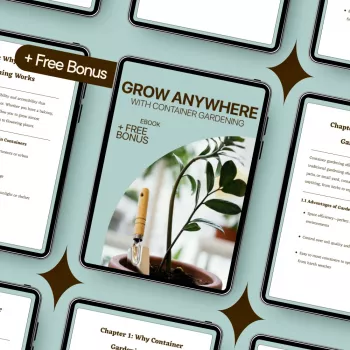
- Grow Anywhere with Container Gardening: The Ultimate eBook for Container Gardening Basics, Indoor & Urban Gardening Guide ($20.99)
- Maximize Function, Minimize Clutter | Multifunctional Room Layouts eBook | Small Space Design Guide | Space-Saving Furniture & Smart Home Ideas ($20.99)
- One Room, Real Progress: A Simple Step-by-Step Guide for Stress-Free Home Organization ($7.99)
Who This eBook Is Best For
FAQ
Do containers need drainage holes for edible plants?
Most edible plants do best with drainage holes because roots need oxygen and can rot quickly in waterlogged soil. If you prefer a cleaner setup, consider a true self-watering container designed with a separate reservoir rather than using a fully sealed pot.
What are the easiest plants to start with indoors?
Herbs (like basil, mint, or parsley), leafy greens, and microgreens tend to be beginner-friendly indoors. Success depends more on matching the plant to your available light and keeping watering consistent than on finding a single “perfect” plant.
How often should container plants be fertilized?
A practical approach is to use a slow-release fertilizer as a baseline and supplement with a liquid fertilizer during active growth if plants look hungry. Always follow label directions and adjust based on how fast plants are growing and how much light they receive.




Leave a comment