Modern Car Tune-Ups: What They Include and When to Book
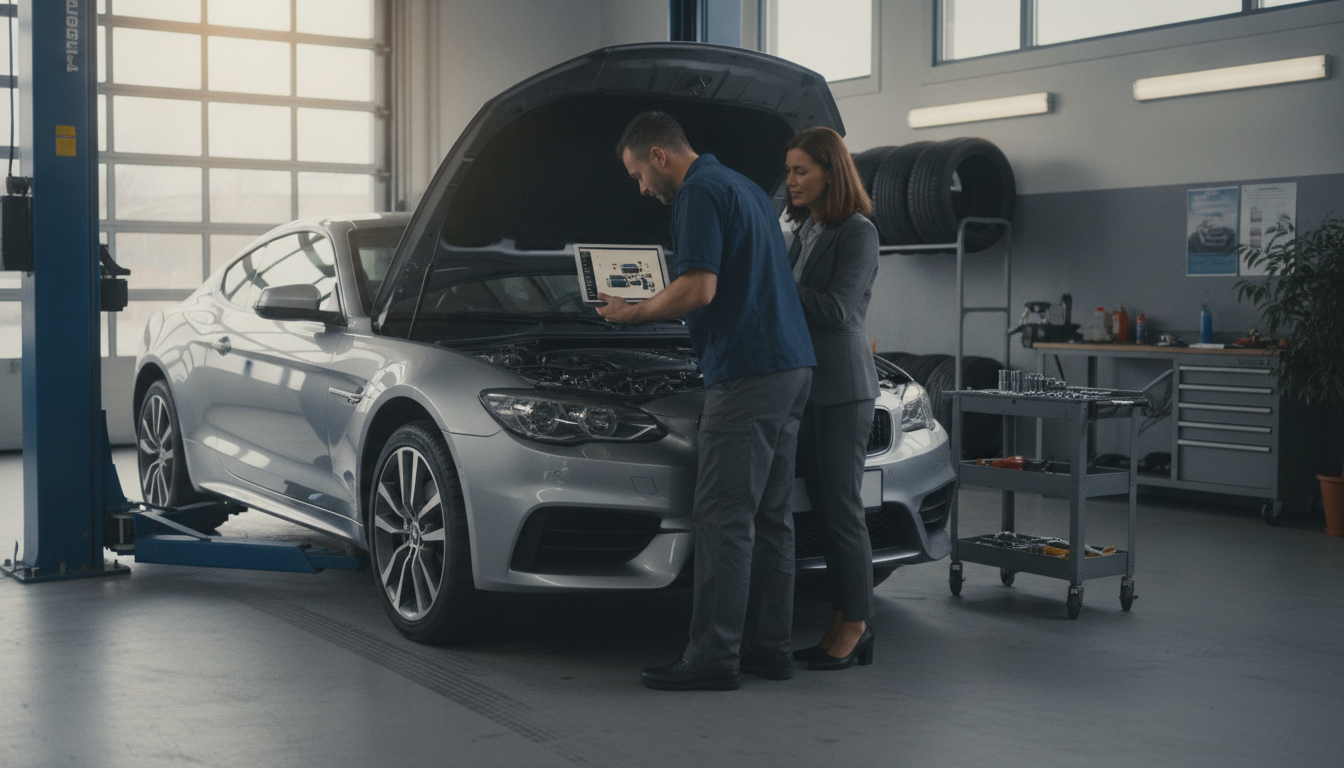
Does Your Car Really Need Tune-Ups? Understanding What They Are and When to Schedule One
“Tune-up” used to mean adjusting carburetors and ignition timing. Modern vehicles are computer-controlled, so the term now describes a set of preventive maintenance tasks that restore performance, protect fuel economy, and catch small issues before they become expensive repairs. The right schedule depends on the vehicle, mileage, driving conditions, and which wear items are due—not on an old-school calendar rule.
What a Tune-Up Means for Modern Cars
On today’s cars, a tune-up is less about “tuning” and more about verifying that key systems are operating within spec. Instead of manual adjustments, modern tune-ups focus on inspection, replacement of wear components, and computer-based diagnostics.
Most services include a blend of checks (scan tools, visual inspection, measurements) and replacements (filters, spark plugs, selected fluids) based on the manufacturer’s maintenance schedule. The important detail: a “tune-up” at one shop might be a basic inspection package, while another might include spark plugs, multiple filters, throttle cleaning, and fuel-system cleaning. Always confirm exactly what’s included before approving the work.
Common Tune-Up Items (What’s Usually Included)
While every vehicle and shop menu is different, tune-up-related services commonly cover the items below. Some are true “replace at interval” parts; others should be done only when inspections or symptoms point to a need.
- Diagnostic scan: Checking stored or pending trouble codes and, when symptoms exist, reviewing live data (misfire counters, fuel trims, sensor readings).
- Spark plugs: Replacement intervals vary widely; many modern plugs last roughly 60,000–120,000 miles.
- Ignition components: Inspect coil packs, boots, and wires (where applicable) for cracking, corrosion, or carbon tracking.
- Engine air filter and cabin air filter: Inspect and replace as needed to keep airflow and HVAC performance strong.
- Fuel system review: Check fuel trims, inspect for vacuum leaks, and consider injector service only when evidence supports it.
- Throttle body inspection/cleaning: Helpful when idle issues or contamination is present; follow manufacturer guidance for drive-by-wire systems.
- PCV system, belts/hoses, battery/charging check: Small issues here can cause drivability problems that feel like “it needs a tune-up.”
- Fluid condition and leak checks: Inspect oil, coolant, brake fluid, transmission fluid, and power steering (where applicable) and look for seepage.
Signs Your Car May Be Due (Even If the Mileage Isn’t High)
Not every car gives a clear “service due” message. If any of the symptoms below show up—especially if they’re getting worse—schedule an inspection rather than waiting for the next milestone.
- Rough idle, misfires, hesitation, or sluggish acceleration: Often linked to ignition wear, air metering issues, vacuum leaks, or fuel delivery problems.
- Noticeable drop in fuel economy: Beyond normal seasonal changes or tire-pressure effects.
- Hard starts or intermittent stalling: More common in cold weather, but not something to ignore year-round.
- Check Engine Light (CEL): A flashing light typically indicates an active misfire that can damage the catalytic converter.
- Unusual vibration at idle, sulfur smell, or persistent fuel odor: May point to combustion or emissions faults that require diagnosis.
- Failed or borderline emissions results: Often tied to misfires, exhaust leaks, or sensor performance.
Scheduling Your Tune-Up: A Practical Interval Guide
The owner’s manual is the best source for scheduling because it’s engineered for your specific engine, ignition system, and materials. Many drivers also fall under “severe service” without realizing it: short trips, extreme temperatures, towing, stop-and-go traffic, dusty roads, and long idling can shorten maintenance intervals.
Typical Tune-Up-Related Intervals (Always Verify in the Owner’s Manual)
| Item | Common Interval (Mileage/Time) | Notes |
|---|---|---|
| Engine air filter | 15,000–30,000 miles (inspect sooner in dust) | Replace when dirty/restricted; avoid over-oiling aftermarket filters unless specified. |
| Cabin air filter | 15,000–30,000 miles or yearly | More frequent in high-pollen or urban areas. |
| Spark plugs | 60,000–120,000 miles | Iridium/platinum plugs last longer; wrong plug type/gap can cause misfires. |
| Brake fluid | 2–3 years | Moisture absorption lowers boiling point; many manufacturers specify time-based changes. |
| Coolant | 5 years/100,000 miles (varies) | Long-life coolants differ; mixing types can reduce protection. |
| Transmission fluid | 30,000–100,000 miles (varies widely) | “Lifetime” claims vary; severe use often needs shorter intervals. |
| Serpentine belt | Inspect every service; often 60,000–100,000 miles | Look for cracks, glazing, fraying; tensioner/idler condition matters too. |
| Battery/charging check | At oil changes; replace often 3–5 years | Heat and short trips shorten battery life. |
Tune-Up vs. Repair: When Diagnostics Matter More Than Parts
Cost, Time, and What to Ask a Shop
For general maintenance guidance, reputable references include the Car Care Council, AAA’s repair and maintenance resources, and the U.S. Department of Energy’s FuelEconomy.gov tips on efficiency.
Simple Maintenance Habits That Reduce Tune-Up Needs
Helpful Digital Guides (In Stock)
- Does Your Car Really Need Tune-Ups? A Complete Guide to Understanding and Scheduling Your Car’s Tune-Up Needs
- One Room, Real Progress: A Simple Step-by-Step Guide for Stress-Free Home Organization
FAQ
Do modern cars still need tune-ups?
Yes, but the meaning has changed: instead of manual adjustments, modern tune-ups typically involve scheduled replacement of wear items (like spark plugs and filters), inspections, and computer diagnostics based on the owner’s manual.
How often should a tune-up be done?
Follow the owner’s manual and adjust for severe driving. Many vehicles go 60,000–120,000 miles for spark plugs, while filters and inspections are more frequent; time-based items like brake fluid may be due every 2–3 years.
Is a tune-up worth it if there’s no Check Engine Light?
It can be, especially when scheduled items are due or performance has gradually declined. If there are noticeable symptoms, targeted diagnostics are often more valuable than a generic parts package.







Leave a comment