Starview Bubble Tent Glamping: Clear Sky Camping Comfort
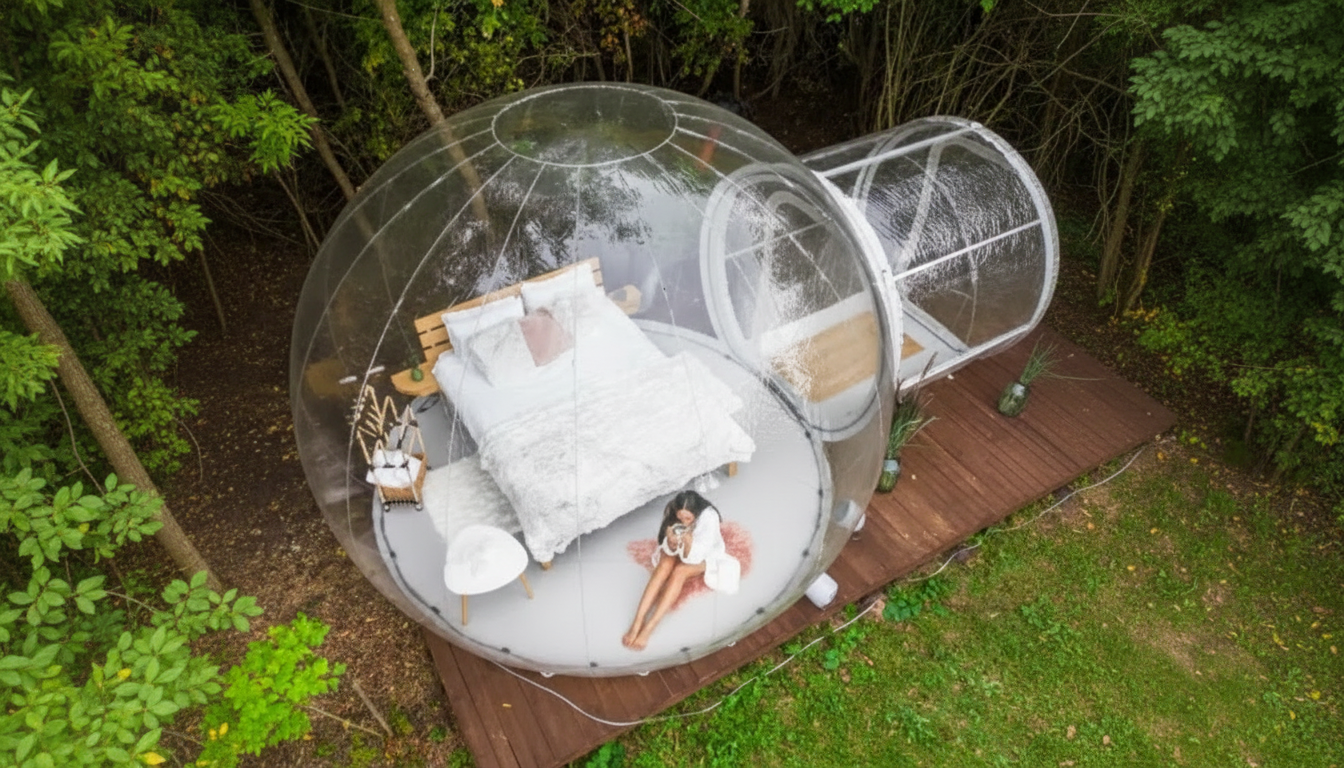
Luxurious Inflatable Starview Bubble Tent for Camping: Stargazing Comfort Without the Hassle
A clear-view bubble tent can turn a regular campsite into a private stargazing lounge—while still giving you a roomy, weather-aware shelter that sets up without the usual pole maze. If the goal is a memorable night under the stars (without sleeping directly under the stars), a starview inflatable bubble tent delivers a distinctive “outdoor room” feel that’s hard to replicate with standard fabric tents.
Below is a practical look at what it’s like to use one, the sites where it shines, and the small planning steps that make a premium clear tent feel worth every penny.
What a Starview Bubble Tent Feels Like in Real Use
The first thing most people notice is how different the space feels. Instead of a dark nylon cave, you get panoramic visibility—night skies, sunrise color, treeline silhouettes, and the quiet movement of clouds. It’s closer to sleeping in a conservatory than a traditional tent, which is exactly the appeal for stargazing trips and special occasions.
Inflatable structure design can also simplify setup. With fewer rigid poles to sort and assemble, the process often becomes: choose a clean, level spot, anchor properly, then inflate. That said, the “views-first” construction generally performs best in calm-to-moderate conditions where the tent can stay evenly tensioned and comfortably ventilated.
Ideal occasions include backyard glamping, scenic campgrounds with open sky views, proposals and anniversary nights, photography trips, and any weekend where the campsite itself is the main event.
Best Campsites and Conditions for Clear-View Glamping
Site choice matters more for clear inflatable tents than for many standard tents. Flat, debris-free ground helps protect the floor and keeps the structure stable. Low-light locations make the starview effect pop, while bright floodlights can turn the clear walls into a glowing lantern.
Plan around wind and humidity as well. Large clear surfaces can catch gusts, so proper orientation and anchoring are non-negotiable. And because clear panels show moisture more than fabric, humid nights can lead to visible condensation—manageable, but easier when you plan ventilation from the start.
| Factor | Why it matters | What to do on arrival |
|---|---|---|
| Ground surface | Sharp stones and sticks can damage the floor | Clear the area, add a ground tarp or footprint if allowed |
| Wind exposure | Large clear surfaces can catch gusts | Use stakes/anchors, park the tent behind natural windbreaks |
| Lighting | Light pollution reduces the starview effect | Pick a darker pitch or face views away from lights |
| Moisture/humidity | Condensation can form on clear material | Ventilate, keep bedding away from walls, use absorbent cloth for quick wipe-down |
Before you commit to a night out, check forecast details (not just temperature). Wind, precipitation timing, and humidity shift the experience dramatically. The NOAA National Weather Service is a dependable source for local conditions and alerts.
Comfort Setup: Bedding, Temperature, and Privacy
Bedding that stays warm and dry
Temperature planning for clear walls
Privacy without ruining the vibe
Power and cords
Durability and Care for Inflatable Clear Tents
Safety and Etiquette in Scenic Campgrounds
- Fire safety: Keep the tent far from campfires, grills, and drifting sparks. Clear materials can be vulnerable to heat damage. For general campground guidance, see the National Park Service: Camping Safety page.
- Weather readiness: Have a backup plan if wind or storms build. Know local rules and check updated alerts before nightfall.
- Leave No Trace basics: Anchor responsibly, protect vegetation, and pack out all trash. The Leave No Trace Principles are a good refresher before busy-season trips.
- Night lighting: Use low, warm lights to preserve night vision and reduce impact on neighbors and wildlife.
Who This Tent Is For (and Who Should Skip It)
Featured Option: Luxurious Inflatable Starview Bubble Tent for Camping
If you want the standout glamping look with immersive sky views, the Luxurious Inflatable Starview Bubble Tent for Camping is built for the “wow” factor—best paired with smart site selection, solid anchoring, and a simple condensation plan (ventilation plus a quick wipe-down cloth).
Quick buying checklist
| Check | Why it matters |
|---|---|
| Setup method and power needs | Ensures the inflatable structure can be maintained for the full stay |
| Anchoring points and included hardware | Improves stability in breezy conditions |
| Cleaning and storage requirements | Helps preserve clear panels and avoid long-term haze |
| Space planning for bedding and gear | Prevents contact with walls and reduces condensation discomfort |
Helpful Add-Ons for a More Comfortable Trip
- Stainless Steel UV Filter Pet Water Fountain: a convenient option for keeping water fresher for dogs at basecamp or in an RV-adjacent setup.
- Maximize Function, Minimize Clutter | Multifunctional Room Layouts eBook: useful for planning a clean, uncluttered layout inside a “single-room” tent space so bedding, lighting, and gear don’t crowd the walls.
FAQ
Do clear bubble tents get condensation at night?
Yes, condensation can happen when humid air inside the tent meets cooler surfaces as temperatures drop overnight. Reduce it by ventilating, encouraging airflow (a small fan helps), keeping bedding away from the walls, and wiping down moisture with an absorbent cloth—especially on cool nights near water or in high humidity.
Is an inflatable bubble tent comfortable in hot weather?
It can be, but direct sun can create a greenhouse effect that heats the interior quickly. For hot-weather comfort, prioritize shade, plan to use the tent mainly after sunset, and maintain airflow with open vents or fans; shoulder-season nights are often the most comfortable for clear-view camping.
How windy is too windy for a starview bubble tent?
It depends on the tent’s design, anchoring, and how exposed your campsite is, so it’s best to avoid committing in questionable forecasts. Use every tie-down point, choose sheltered sites behind natural windbreaks, and keep a backup plan ready if wind increases or storm conditions move in.





Leave a comment