Button-Down Outfit Formulas: Fit, Tucks & Easy Layers
The Button Down That Changed Everything: A Digital Style Guide for Effortless Outfits
A button-down can be the simplest piece in a closet—and the one that quietly fixes the “nothing to wear” feeling. When you’re short on time (or energy), it offers built-in structure: a collar that frames your face, a placket that creates clean lines, and cuffs that make even denim look considered. What follows are everyday outfit formulas, small styling switches, and confidence-building fit details that make outfits look intentional without adding complexity. For more guidance, see The Style Checklist The Ultimate Wardrobe Essentials For You ….
Why a Button-Down Works When Everything Else Feels Complicated
Button-downs succeed because they do a lot of visual work on your behalf. Collars, buttons, and cuffs add polish even when the rest of your outfit is basic—think jeans, a tank, or simple flats. The same shirt can bridge dress codes with one swap: sneakers to loafers, tote to structured bag, or hair up to a sleek bun. For further reading, see How to Style a Button‐Down Like a Pro.
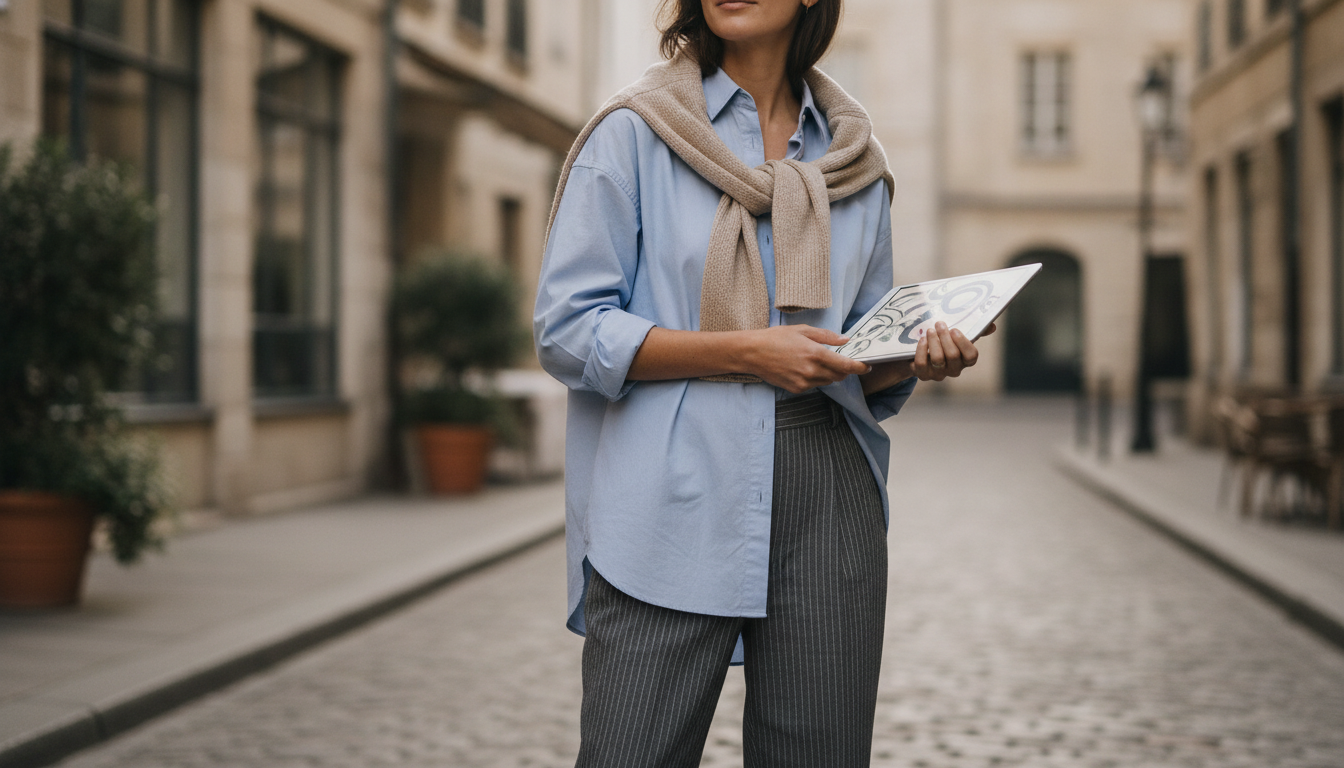
It’s also a repeat-wear powerhouse. One good shirt can anchor multiple silhouettes (tucked, untucked, layered, or worn open), which reduces decision fatigue and keeps your wardrobe feeling larger than it is. For a deeper set of templates you can reuse all year, The Button Down That Changed Everything (digital style guide) breaks these “grab-and-go” combinations into easy practice routines.
The Small Fit Details That Change the Whole Outfit
Fit is the difference between “borrowed from the back of the closet” and “sharp on purpose.” A few checkpoints make a button-down look modern without feeling fussy:
- Shoulder seams: Aim for the seam to sit near the edge of your shoulder for crisp lines. A seam that drops far down the arm reads intentionally oversized—great if that’s the goal, but it changes the vibe.
- Collar behavior: A collar should stand neatly without curling. If it collapses, it can make the shirt feel tired; a quick press helps, and a better collar keeps its shape longer (helpful ironing guidance from The Spruce).
- Button spacing: If you get chest gaping, size to your bust first, then tailor the waist if needed. A hidden snap or fashion tape is a quick fix for specific shirts.
- Hem shape: Curved hems layer smoothly and look natural half-tucked. Straighter hems look clean worn untucked, especially with high-rise bottoms.
- Sleeves and cuffs: Cuffs landing near the wrist bone reads tailored and current—no bunching at the hand, no awkward mid-forearm stop unless you’ve rolled them on purpose.
If you want a classic reference point for how a dress shirt should fit (especially through shoulders and torso), GQ’s fit guide offers a clear baseline you can adapt to your preferred silhouette.
Everyday Outfit Formulas That Look Put Together in Minutes
These formulas are designed to be repeatable. Swap fabrics or shoes and the outfit still works.
- Classic + relaxed: Half-tuck a button-down into straight-leg jeans, add a belt, finish with loafers.
- Minimal workday: Button-down + tailored trousers + sleek sneakers, plus a structured bag for instant office-ready balance.
- Layered comfort: Button-down under a crewneck sweater with collar and cuffs peeking out—simple, intentional, and warm.
- Easy feminine: Button-down with a slip skirt and flats; add a cardigan when the temperature drops.
- Warm-weather staple: Wear it open like a light layer over a tank and shorts for airy coverage and clean vertical lines.
For more inspiration on turning one shirt into multiple looks, Vogue’s styling roundup shows how a single white shirt can move from polished to laid-back with small changes.
Effortless Styling Tricks: Tucks, Rolls, and Proportions
The easiest way to make a button-down feel current is to adjust proportion and “ease.” That means defining the waist without stiffness, showing some forearm, and letting the shirt create shape rather than hiding it.
Quick Styling Switches and What They Do
| Switch | Best For | Visual Effect | Pair With |
|---|---|---|---|
| Full tuck | Work outfits, high-waist bottoms | Clean waist definition | Tailored trousers, belts |
| Half tuck | Casual days, denim | Relaxed polish | Straight jeans, loafers |
| Open as a layer | Transitional weather | Adds depth and vertical lines | Tank, tee, wide-leg pants |
| Collar + cuffs showing under sweater | Cool weather, office casual | Intentional layering | Crewneck sweater, midi skirt |
| Sleeves rolled to mid-forearm | Everyday wear | More ease, less stiffness | Bracelets, watch, simple tote |
Modern Wardrobe Confidence: Color, Fabric, and Repeatable Pairings
If simplifying your wardrobe is the goal, pairing outfit formulas with a calmer home setup helps keep mornings smoother. One Room, Real Progress: A Simple Step-by-Step Guide for Stress-Free Home Organization is a practical companion for building repeatable systems—closets included.
A Simple 5-Minute Routine for Getting Dressed on Busy Days
For space and layout ideas that make getting-ready areas easier to use, Maximize Function, Minimize Clutter (Multifunctional Room Layouts eBook) helps you set up a room so the things you rely on daily are simple to reach and simple to put away.
Digital Guide Highlights: What to Practice for Real-Life Results
FAQ
How many button-downs are enough for an everyday wardrobe?
One to three is plenty for most routines. A good starting mix is one crisp neutral, one relaxed option, and (if you want variety) one stripe or soft color.
How can a button-down be styled without looking too formal?
Pair it with denim, sneakers, or flats, and roll the sleeves to mid-forearm. Wearing it open over a tank or tee also instantly makes it feel more casual and modern.
What’s the easiest way to prevent button gaping at the chest?
Choose a size that fits the bust first, then tailor the waist if needed. A hidden snap, fashion tape, or small tailoring adjustment (like darts) can keep the placket smooth and secure.




Leave a comment