Skin-First Nutrition: Build Meals for Skin Wellness
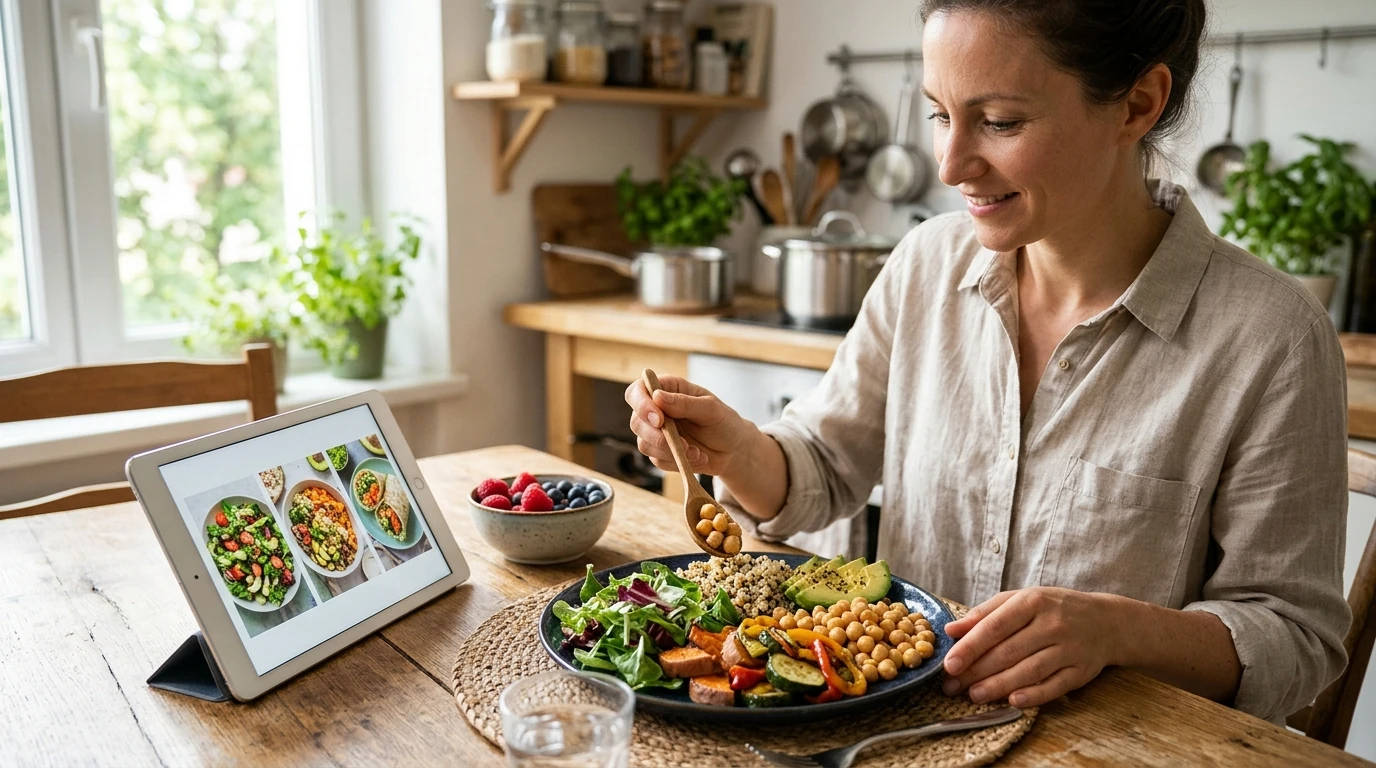
A radiant-looking complexion starts with everyday habits, including what goes on your plate. Eating with skin wellness in mind does not require a perfect menu or a list of forbidden foods. It starts with balanced meals you enjoy and can make regularly. Our Skin-First Nutrition Bundle brings healthy skin diet guides and eBooks together if you want a more thoughtful way to approach that routine. You can start small, notice what works for your body, and give new habits time to settle in—without expecting one food or one guide to transform your skin overnight.
Start with nourishment, not food rules
Skin-friendly eating is better understood as a sustainable pattern than as a strict division between “good” and “bad” foods. Regular meals that include produce, protein, whole grains, and healthy fats can help you meet general nutrition needs while leaving room for your preferences, schedule, and budget. A meal does not have to include every food group to be worthwhile; variety across the day matters, too.
Nutrition supports normal skin function and overall health, but it is only one part of skin care. What you eat does not replace sunscreen, a skincare routine that suits you, or treatment for a skin condition. No balanced plate can promise clearer skin or a guaranteed glow. If you want guidance as you build meals that fit your life, our Skin-First Nutrition Bundle is a resource to explore—not a set of rules you must follow.
Build a skin-conscious plate from familiar foods
You can begin with foods you already buy. Colorful fruits and vegetables contribute a range of nutrients; beans, eggs, fish, and tofu are examples of protein-containing foods; and nuts, seeds, avocado, and olive oil can add unsaturated fats. These are flexible building blocks, not prescriptions or proven fixes for breakouts. The USDA MyPlate offers another way to picture variety and balance without requiring identical meals every day.
| Add to the plate | Food ideas | Easy way to use it |
|---|---|---|
| Colorful produce | Berries, carrots, leafy greens | Add a fruit or vegetable to a meal you already enjoy |
| Protein | Beans, eggs, fish, tofu | Include a satisfying protein food at meals |
| Whole grains | Oats, brown rice, whole-grain bread | Choose a whole-grain option when it suits the meal |
| Unsaturated fats | Olive oil, avocado, nuts, seeds | Use a modest amount for flavor and variety |
Think of the table as a menu of possibilities, not a checklist. Add berries to a breakfast you already like, put carrots alongside a familiar lunch, or choose whole-grain bread when making a sandwich. If dinner feels short on variety, add a vegetable you know how to prepare. Small additions can be easier to maintain than an overnight overhaul, especially on busy days.
Pay attention to patterns without blaming one ingredient
It is understandable to wonder whether a particular food affects acne. The relationship between diet and acne is nuanced, and individual experiences can differ. The American Academy of Dermatology Association’s discussion of diet and acne can help you learn more about the evidence. It does not mean that every breakout can be traced to something you ate.
If you are curious about your own patterns, observe them over time rather than cutting out a whole food group after one difficult skin day. Consider what your usual meals look like and whether changes seem consistent, while remembering that stress, sleep, skincare products, and other factors may also influence how your skin looks and feels. If you are considering a significant food restriction or suspect a food is causing a problem, talk with a qualified healthcare professional before changing your diet. You deserve an approach that supports both your skin concerns and your nutrition.
Make the guides part of a realistic routine
Try a three-step start. First, choose one balanced meal you would be happy to repeat—perhaps oats with berries and nuts, or rice with tofu and vegetables. Second, add one new food for variety, whether that is a different fruit, a bean you have not cooked recently, or a new way to serve greens. Third, after a few weeks, ask yourself whether the routine feels manageable. You can adjust portions, ingredients, or timing to better suit your appetite and day.
When you want more structure, explore our Skin-First Nutrition Bundle for healthy skin diet guides and eBooks in one place. Use what helps you make practical decisions, and leave room for meals shared with family, restaurant visits, and changing schedules. For a separate approach to making everyday routines feel less overwhelming, our One Room, Real Progress guide focuses on home organization rather than nutrition.
Consistency matters more than perfection. A varied eating pattern can be a worthwhile part of caring for yourself, even when skin changes are not immediate or predictable. If you have persistent or concerning skin symptoms, ask a dermatologist or another qualified clinician for advice tailored to you.
FAQ
Can changing my diet give me clear skin?
A balanced diet supports overall health, but no eating plan can guarantee clear skin. Acne and other skin concerns have multiple causes, so seek professional guidance for persistent symptoms.
Do I need to avoid certain foods for healthy-looking skin?
Not necessarily. Focus on a varied, balanced eating pattern rather than broad restrictions, and discuss suspected food triggers or major dietary changes with a qualified professional.
Where should I start if I want to eat with skin wellness in mind?
Start with one manageable habit, such as adding produce to a daily meal or choosing a balanced breakfast. You can use our bundle’s guides and eBooks as a resource while developing a routine that suits you.







Leave a comment