UV Stainless Steel Pet Water Fountain: Setup & Care Tips
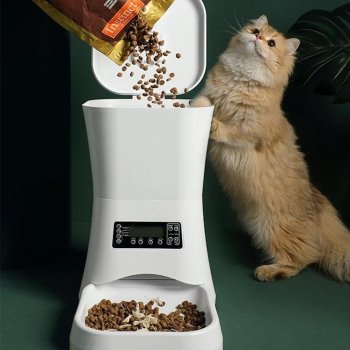
Stainless Steel UV Filter Pet Water Fountain: Cleaner Water, Happier Pets
A pet water fountain that combines stainless steel with UV and filtration can help keep drinking water fresher between refills, encourage more frequent sipping, and reduce common causes of odor and slime. This guide breaks down how these fountains work, what features matter day to day, and how to set one up for easy maintenance.
What Makes a UV-Filtered Stainless Steel Fountain Different
Most pets will drink from a bowl when they’re thirsty, but many cats (and plenty of dogs) show a clear preference for moving water. A fountain keeps water circulating so the surface doesn’t go stale, and that “fresh flow” can be a simple nudge toward better hydration.
Beyond circulation, a multi-step approach is what sets this style of fountain apart:
- Continuous movement: circulating water stays in motion, which many pets prefer over stagnant bowls.
- Filtration: a filter stage helps capture debris like hair, dust, and food crumbs before they settle in corners.
- UV support: an enclosed UV component is designed to reduce microorganisms in the water pathway as water passes through.
- Stainless steel basin: non-porous metal typically resists odors and staining better than many plastics.
How UV Water Treatment Fits Into Everyday Pet Hydration
UV treatment works by exposing water to ultraviolet light at a germicidal wavelength, which can inactivate many microbes as water flows past the light source. For a fountain, the big advantage is consistency: water cycles through the system again and again throughout the day.
That said, UV performance depends on practical details such as exposure time, water clarity, flow rate, and whether the UV light is properly housed and maintained. This is why UV is best viewed as a complement to regular washing and filtration rather than a replacement for it. If you’d like deeper background on how UV disinfection is evaluated in water systems, the U.S. Environmental Protection Agency (EPA) provides guidance that explains the core principles in plain terms.
In multi-pet homes, UV can be especially helpful because shared water gets “touched” more often—more snouts, more backwash, more chances for debris to enter the bowl. Keeping filtration current and the pump clean remains the foundation of good water quality.
Why Stainless Steel Is a Practical Material for Pet Fountains
Stainless steel earns its popularity the unglamorous way: it’s simply easier to live with. The non-porous surface is generally easier to sanitize thoroughly, helping reduce biofilm buildup when paired with routine washing. It also tends to resist scratches better than softer materials; fewer micro-scratches can mean fewer places for residue to cling.
Many stainless steel basins are dishwasher-friendly (always confirm which pieces are safe), which can make weekly cleaning much easier to stick with. And compared with feather-light plastic, a heavier metal basin can add stability for pets who paw at running water or get excited at the stream.
For general pet wellness and hydration considerations, the American Veterinary Medical Association (AVMA) is a useful starting point for understanding why steady access to clean water matters.
Features That Matter Most (and What to Check Before Buying)
Not all fountains are equally easy to maintain. Before purchasing, focus on the pieces you’ll interact with every week: the filter, pump, and basin.
Quick Checklist for Choosing a UV Stainless Steel Pet Fountain
| Feature | What to look for | Why it helps at home |
|---|---|---|
| Stainless steel basin | Smooth, easy-to-remove basin; minimal seams | Simplifies scrubbing and helps reduce lingering odors |
| UV treatment | Shielded UV light path; replaceable module/bulb (if applicable) | Supports cleaner water as it circulates |
| Filter system | Easy-to-find replacement filters; secure fit | Captures hair/crumbs and helps keep water clearer |
| Pump access | Tool-free access to pump cover and impeller area | Makes weekly cleaning more realistic and consistent |
| Noise level | Stable base; anti-vibration feet; quiet pump | Encourages use, especially for skittish cats |
| Water level visibility | Window, float indicator, or clear fill guide | Prevents running the pump dry and reduces overheating risk |
Setup Tips for Better Water Quality From Day One
Maintenance Routine: Keeping It Quiet, Clear, and Low-Odor
For a helpful overview of cleaning and disinfecting fundamentals (like contact time and why “cleaning” comes before “disinfecting”), review the principles outlined by the Centers for Disease Control and Prevention (CDC).
Safety and Comfort Considerations for Cats and Dogs
Who This Style of Fountain Tends to Suit Best
Product Snapshot and Related Picks
If you’re ready to upgrade to a stainless steel fountain with UV support and filtration, the Stainless Steel UV Filter Pet Water Fountain is designed to keep water circulating while supporting fresher-tasting water between cleanings. Best results come from pairing the UV function with routine filter changes and consistent pump cleaning.
- Maximize Function, Minimize Clutter | Multifunctional Room Layouts eBook
- One Room, Real Progress: A Simple Step-by-Step Guide for Stress-Free Home Organization
FAQ
Is UV treatment safe to use around pets?
In pet fountains, UV components are typically enclosed inside the unit so the light isn’t directly exposed. Follow the manufacturer’s instructions, keep the module properly seated, and replace UV parts as directed to maintain safe operation.
How often should the fountain be cleaned and the filter replaced?
Top off the water daily, wash the basin and main parts weekly, and replace filters every few weeks depending on shedding, pet count, and water quality. Regular pump and impeller-area cleaning is the biggest factor in reducing slime and preventing new noise.
Can stainless steel fountains reduce chin acne in cats?
Stainless steel is non-porous and generally easier to sanitize than many plastics, which may help some cats prone to chin irritation. Frequent cleaning is still essential, and persistent or worsening symptoms should be discussed with a veterinarian.


Leave a comment