Flexible Living Spaces: Zoning & 10-in-1 Bundle Guide
The Flexible Living Space Bundle: 10-in-1 Guide to Multi-Functional Living Spaces
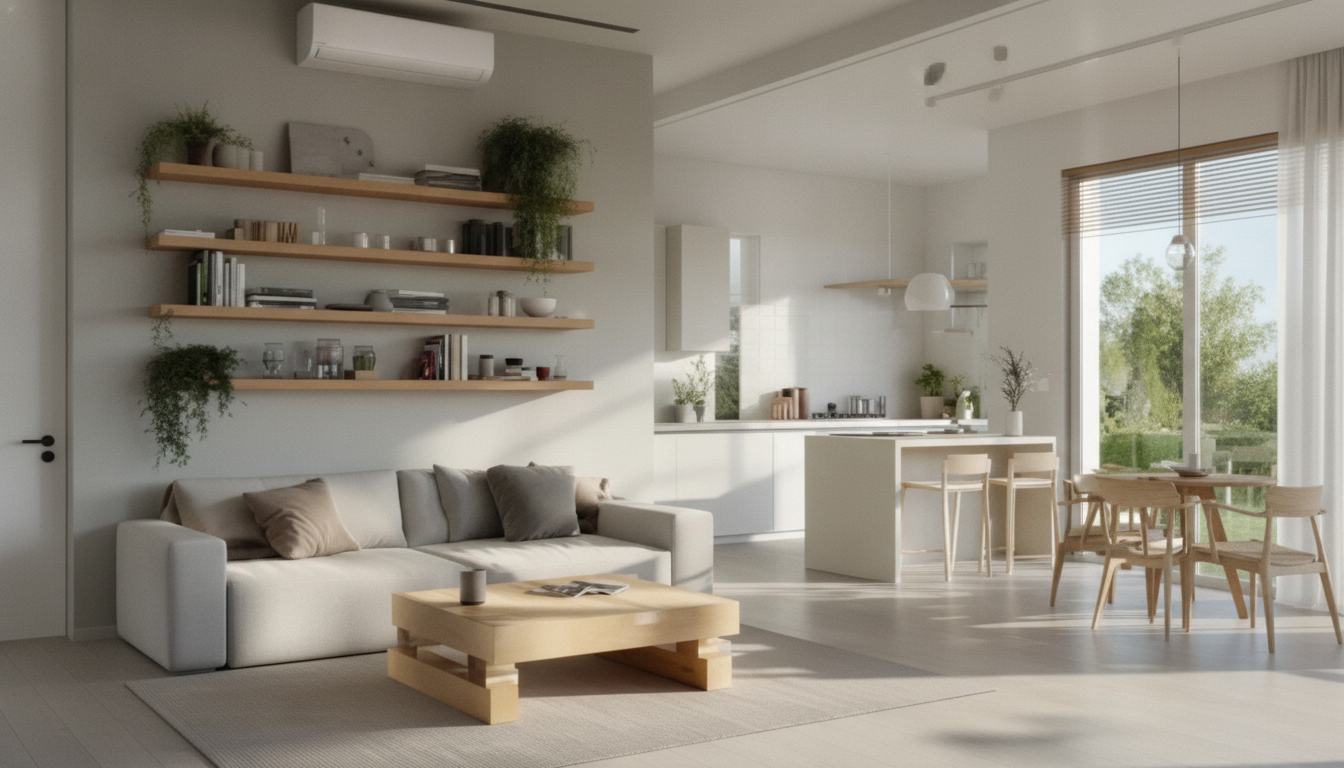
A living space can do more than one job without feeling crowded. The key isn’t cramming in more furniture—it’s choosing clearer priorities, setting up intentional zones, and building “fast reset” habits so work, rest, entertaining, and storage can coexist. Below is a practical, room-by-room approach to flexible layouts using modular pieces, simple visual boundaries, and routine-friendly storage, so your home adapts as your schedule changes.
What a multi-functional space needs to work
Multi-functional rooms feel easy when every element earns its place and each activity has a “home base.” Start with these fundamentals:
- Clear priorities: list the top 2–3 functions the room must support (sleep, work, dining, workouts, hobbies).
- Zones that feel intentional: define areas with rugs, lighting, and furniture orientation rather than adding walls.
- Furniture that earns its footprint: look for pieces that fold, nest, store, or convert between modes.
- Fast resets: design so the room can switch functions in 5–10 minutes (bins, closed storage, cable control).
- Comfort in every mode: confirm seating height, desk ergonomics, and lighting for each activity (work comfort depends on real body dimensions and reach).
Common functions and the simplest ways to combine them
| Primary function | Pairs well with | Easy zoning cue | Best space-saver |
|---|---|---|---|
| Living room | Work zone | Desk lamp + chair facing a wall | Wall-mounted drop-leaf desk |
| Dining area | Crafts/homework | Rug under table + pendant light | Expandable table or nesting stools |
| Bedroom | Workout/meditation | Corner mat + mirror + basket | Foldable bench with storage |
| Entryway | Laundry/pet station | Tray + hooks + washable mat | Vertical shelving and stackable bins |
| Studio apartment | Sleep + lounge | Curtain/room divider + layered lighting | Sofa bed or daybed with drawers |
A simple planning method: measure, map, and stage
Flexible spaces aren’t magic; they’re planned. This three-part method keeps you from guessing and helps prevent layout “dead ends.”
- Measure: note door swings, windows, outlets, and radiators; keep walkways at least 24–36 inches where possible so movement stays natural.
- Map: sketch furniture as rectangles (or use a free room-planning app) and test at least two layouts before moving anything heavy.
- Stage in layers: place the largest pieces first, then add task lighting, then storage, then decor.
- Assign homes: decide where “stuff lives” for each zone (work supplies, charging, mail, toys) to prevent drift into shared areas.
- Create a reset routine: one basket per zone, one cable path, and one surface kept clear.
For ergonomics and comfort, it helps to anchor decisions in real human measurements—especially if a zone is used by multiple people. Reference data like the CDC’s anthropometric tables can be useful when choosing seat height, reach-friendly storage, and desk setup: CDC/NCHS Anthropometric Reference Data (2015–2018).
Room-by-room setups that adapt quickly
Living room: lounge + hidden work
Float the sofa slightly away from the wall to define a lounge zone, then place a slim console behind it as a stealth charging station or mini desk. A lidded ottoman can hold laptop gear, controllers, or throw blankets so the room “closes” visually at night.
Kitchen/dining: meals + projects without takeover
An expandable table is the MVP: compact for daily use, extended for hosting, puzzles, or school projects. Keep extra chairs folded or stacked nearby. If table clutter is a recurring issue, set a hard boundary: one tray for “active projects,” and everything else goes into a nearby cabinet or bin at reset time.
Bedroom: calm sleep zone + daylight workstation
Keep the sleep side visually quiet (fewer open shelves, fewer piles). Put a compact workstation where natural light is best, then separate it with a screen or curtain so work doesn’t visually spill into rest. If you’re doing focused work, use lighting guidance built for task visibility and comfort: NIOSH guidance on lighting for work.
Entryway: landing strip that prevents clutter migration
Combine seating, shoe storage, and hooks so daily items don’t drift into the living area. Add a tray system: one for keys/wallet, one for mail, one for “outgoing” items. If you have narrow square footage, go vertical with shelving and stackable bins.
Kids’ spaces: boundaries + rotation
The Flexible Living Space Bundle: what’s included and how to use it
If you want a structured system rather than piecemeal fixes, The Flexible Living Space Bundle: 10-in-1 Guide to Multi-Functional Living Spaces is designed for rooms that need to switch modes—work, hosting, relaxing, and daily routines—without major renovations.
For more targeted help, pair it with Maximize Function, Minimize Clutter | Multifunctional Room Layouts eBook for layout ideas and One Room, Real Progress: A Simple Step-by-Step Guide for Stress-Free Home Organization when you want a quick, motivating plan for making visible progress without overhauling the whole home.
Lighting, sound, and visual calm (the overlooked multipliers)
Common mistakes that make a space feel smaller
When you need fresh small-space inspiration (especially for studios and tight layouts), visual examples can help you see new options: Architectural Digest: Small Spaces.
FAQ
What makes a living space truly multi-functional instead of just crowded?
A multi-functional space has clear priorities, defined zones, and fast transitions between modes. Storage and lighting support each activity so the room can reset quickly and feel calm, not visually noisy.
How can a small room switch between work and relaxation without constant mess?
Use a dedicated work kit (laptop, charger, notebook) that stores in closed storage, plus simple cable management to keep surfaces clear. A 5-minute reset routine—one basket, one clear surface—makes switching modes feel realistic.
Which upgrades improve flexibility the most for the least effort?
Layered lighting, a storage ottoman/bench, vertical shelving, and a hook system make zones easier to maintain. An expandable surface like a drop-leaf desk or extendable table also adds function without permanently taking up floor space.






Leave a comment