Wear Bold Clothes Naturally: Simple Outfit Formulas
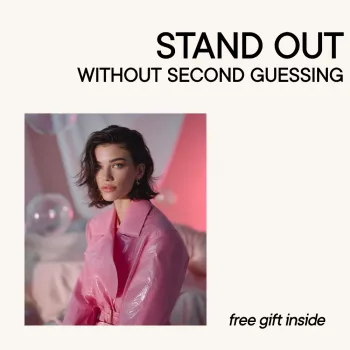
Stand Out Without Second Guessing: A Calm, Repeatable Way to Wear Bold Clothes Naturally
Bold pieces can look effortless when the decision-making is simplified: a clear “why,” a few reliable formulas, and a quick checklist for fit, color, and context. The goal isn’t to force a new persona—it’s to make statement outfits feel like a natural extension of you, even on busy mornings. When you build a repeatable process, bold stops feeling risky and starts feeling easy.
What “bold” really means (and why it can feel scary)
“Bold” isn’t one specific look. It can be color (cobalt, fuchsia), scale (oversized proportions), texture (leather, sequins), contrast (black-and-white), silhouette (wide-leg, sculptural shapes), or shine (metallics). You don’t need to stack every version of bold at once to make an impact.
Second guessing usually comes from three uncertainties:
- Balance: Does the fit and proportion look intentional, or accidental?
- Context: Is this right for the setting—office, dinner, travel, a casual weekend?
- Identity: Does this feel like me, or like I’m borrowing someone else’s style?
A better target than “looking fearless” is looking intentional: one standout choice, supported by basics that let it be the star. That’s also why clothing can shift how you carry yourself—research on enclothed cognition suggests what you wear can influence how you feel and perform.
Start with one statement: the 1–2–3 rule for effortless outfits
If bold outfits feel like too many decisions, use a simple structure:
- 1 statement element: bold blazer, loud print, bright shoe, dramatic accessory.
- 2 quiet supports: neutral top, simple denim, clean trouser, minimal jewelry.
- Up to 3 polish details: hair, belt, bag, lipstick, nails—small cues that make the look feel planned.
Then add “echo styling”: repeat one color or texture from the statement somewhere else (earrings, shoes, bag). The outfit instantly reads cohesive, not chaotic.
Quick Outfit Formulas That Make Bold Feel Natural
| Statement piece | Simple base | Easy finishing touch | Works well for |
|---|---|---|---|
| Bright blazer | White tee + straight-leg jeans | Gold hoops + clean sneaker | Casual office, coffee, errands |
| Printed skirt | Solid knit top | Neutral heel or loafer | Dinner, date night, events |
| Bold color pants | Monochrome top (same color family) | Structured bag | Work, meetings, travel |
| Statement shoes | All-black outfit | One accessory that matches shoe tone | Parties, nights out, concerts |
| Oversized silhouette | Fitted base layer | Sleek hair or defined makeup | Street style, creative workplaces |
Color confidence without overwhelm: choose a “safe bold” palette
Color is often the biggest confidence hurdle because it feels “louder” than a new cut or texture. The fix is to build a small system that lowers the volume while keeping the impact.
- Use an anchor neutral: black, navy, cream, tan, gray, or denim grounds brights and prints.
- Try “one bright, one calm”: pair a vivid piece with a muted partner (cobalt + camel, fuchsia + gray, chartreuse + denim).
- Start with accessory placement: if color feels intense, put the boldness on shoes, a bag, or a scarf first.
- Keep undertones consistent: warm with warm, cool with cool—this reduces the vague “something’s off” feeling.
If you want a deeper understanding of how color can affect mood and perception, this research review on color and psychological functioning is a helpful overview.
Fit and proportions: the fastest way to look intentional
Bold items draw attention—so fit matters more, not less. When the cut is right, a statement piece reads elevated instead of overwhelming.
- Start with shoulder fit: especially for blazers, coats, and structured tops. If the shoulders sit correctly, the rest looks sharper.
- Balance volume: when one piece is oversized, streamline another area (wide-leg pants + fitted tank; big sweater + slim skirt).
- Add a “waist cue” when needed: a half-tuck, belt, or cropped jacket creates shape so bold doesn’t read bulky.
- Check movement: sit, reach, walk. Confidence drops fast when you’re adjusting straps, tugging hems, or fidgeting.
The 30-second mirror check: a styling checklist that stops spiraling
Before leaving, confirm comfort, cohesion, and context—then stop editing. Over-tweaking often creates more doubt than improvement.
30-Second Styling Checklist
| Check | Question to ask | Quick fix |
|---|---|---|
| Comfort | Can you move without tugging or fidgeting? | Swap to a softer base layer or a different shoe height |
| Balance | Is there one clear focal point? | Remove one accessory or simplify the base |
| Proportion | Does the silhouette look intentional from the side? | Add a tuck, belt, or structured outer layer |
| Cohesion | Do colors/textures relate? | Echo one color in shoes/bag/jewelry |
| Context | Does this match the setting’s vibe? | Add a blazer/coat for polish or switch to cleaner footwear |
| Personal cue | What detail makes it feel like you? | Add your signature item (earrings, watch, lipstick) |
Practice plan: build boldness in small, repeatable steps
Digital guide + printable checklist for on-the-go confidence
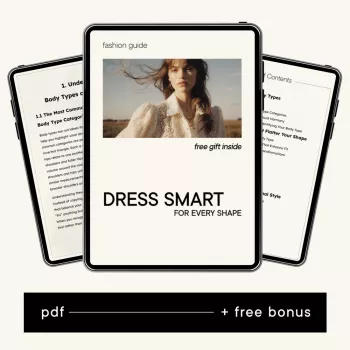
- Stand Out Without Second Guessing – Digital Style Confidence Guide for Wearing Bold Clothes Naturally | Fashion eBook & Styling Checklist
- One Room, Real Progress: A Simple Step-by-Step Guide for Stress-Free Home Organization
- Maximize Function, Minimize Clutter | Multifunctional Room Layouts eBook | Small Space Design Guide | Space-Saving Furniture & Smart Home Ideas
FAQ
How can bold outfits still feel like “me”?
Start with one statement at a time and keep a consistent signature—like your favorite silhouettes, metals, or two to three go-to colors. Repeat a couple outfit formulas until they feel normal, then expand from there.
What if a bold color makes me feel too noticeable?
Move the bold color to a “safe” spot first (shoes or bag), and anchor it with a neutral like denim, cream, navy, or black. Slightly muted brights and lower-contrast pairings usually feel more wearable while still looking special.
How do I stop changing outfits at the last minute?
Use the 30-second checklist, then change only one variable if something feels off. Take one quick front-and-side photo, and set a firm decision cutoff time so you’re not re-styling under pressure.


Leave a comment