Plush Quick-Dry Microfiber Non-Slip Bath Mat Comfort
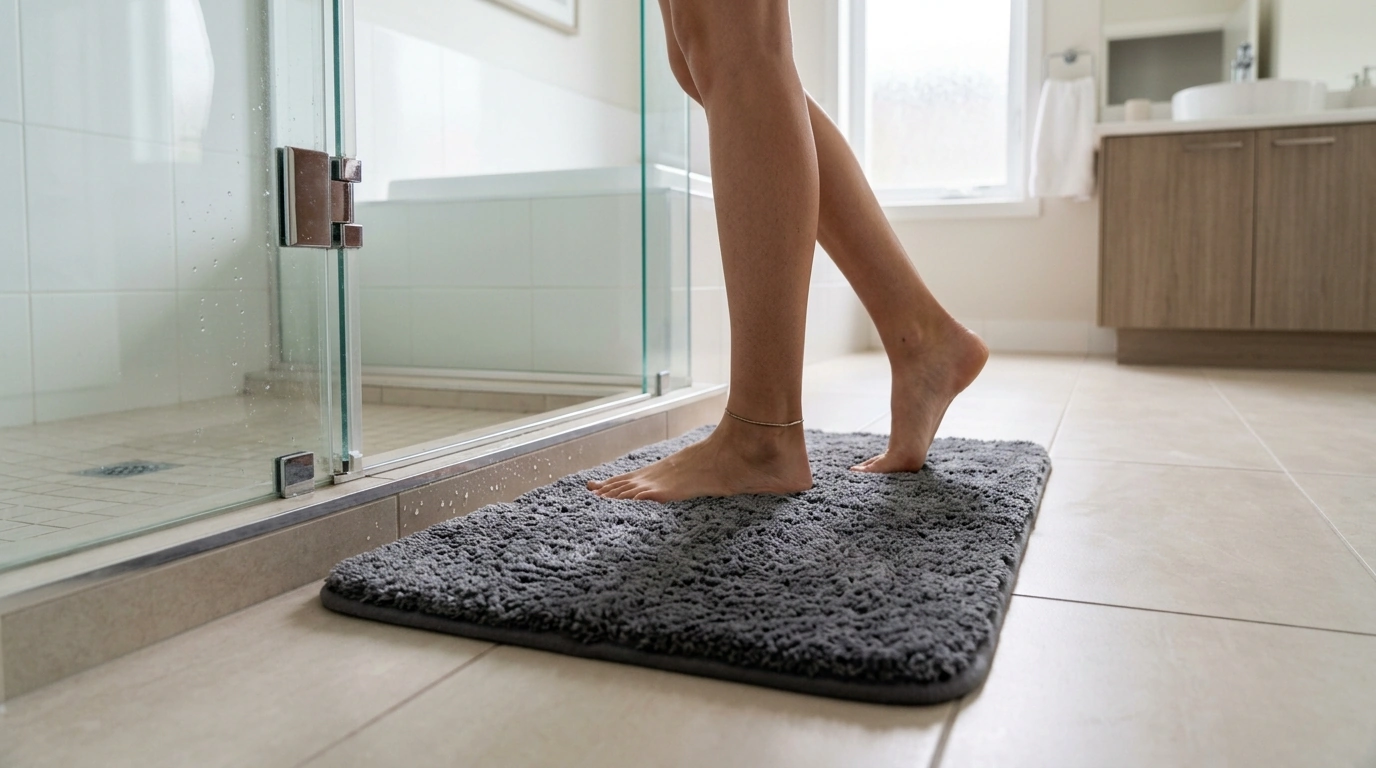
Soft Microfiber Non-Slip Bath Mat That Dries Fast and Feels Plush
Stepping out of the shower should feel comfortable and secure, not slippery or soggy. A plush microfiber bath mat with a non-slip base helps soak up water quickly while staying in place on smooth bathroom floors, keeping feet warm and the space tidier between cleanups.
What Makes a Bath Mat Feel Better Underfoot
A bath mat does more than catch drips—it changes how the whole bathroom feels during everyday routines. The best “ahh” factor usually comes down to softness, density, and how the pile supports your feet after a hot shower.
- Microfiber pile cushions feet and tends to feel softer than many flat-weave options, especially on cold mornings.
- Dense fibers help capture moisture at the surface instead of letting water spread outward across the floor.
- A thicker, plush feel reduces the shock of cold tile by adding a buffer between your feet and the floor.
- Low-profile edges can help reduce catching or curling near doorways, cabinets, or tight vanity clearances.
If the bathroom is used back-to-back (kids, roommates, busy mornings), a mat that stays plush while absorbing water can make the space feel cleaner between deeper cleanups.
Slip Resistance: Staying Put on Smooth Floors
Bathroom floors are often smooth by design—tile, vinyl, sealed wood, and laminate are common—and that’s exactly where slip resistance matters most. A non-slip backing is designed to help reduce sliding, but placement habits make a noticeable difference in real-life use.
- Non-slip backing helps reduce sliding on smooth surfaces where water can create a slick film.
- Grip improves on a clean, dry floor because the backing can make full contact without a moisture layer underneath.
- Avoid layering over other rugs or textured surfaces that prevent the mat from sitting flat and gripping evenly.
- In humid bathrooms, regular airing helps keep the underside drier and more consistent day to day.
Placement checklist for better grip
| Step | Why it helps |
|---|---|
| Dry the floor before placing the mat | Improves contact between the backing and the floor |
| Keep oils/lotions off the underside | Residue can reduce friction |
| Lay the mat flat (no folds) | Prevents tripping edges and uneven grip |
| Air out after heavy use | Reduces dampness that can lead to slipping |
For broader home safety guidance, the CDC’s slip, trip, and fall prevention resources and the CPSC’s tips on preventing slips and falls are helpful references—especially for households with kids, older adults, or anyone recovering from injury.
Quick Dry Performance for Everyday Bathrooms
A bath mat can feel “always damp” if it absorbs well but doesn’t release moisture efficiently. Microfiber is popular because it can absorb water rapidly while still supporting faster surface dry-down when the mat has breathing room.
- Microfiber can absorb water quickly, helping the top feel less wet shortly after use.
- Hanging the mat after peak use (like morning routines) speeds drying and helps reduce musty odors.
- Airflow matters: leave a bit of space around the mat and avoid trapping it under doors or heavy hampers.
- In shared bathrooms, rotating between two mats can keep one consistently dry and ready.
Small changes—like draping the mat over a tub edge or towel bar for an hour—can make a bigger difference than turning up the exhaust fan alone.
Care and Cleaning That Keeps It Soft
Softness depends on clean fibers and good drying habits. If a mat starts feeling flat or less absorbent, buildup is often the culprit rather than age.
- Shake out dust and hair frequently to keep fibers lofted and the surface feeling fresh.
- Wash based on real use: high-traffic bathrooms, pets, and humid climates usually require more frequent laundering.
- Use mild detergent and skip harsh additives that can coat fibers and reduce absorbency over time.
- Dry thoroughly after washing to help preserve freshness and avoid lingering dampness.
A quick routine helps: shake it out midweek, then wash and fully dry it on a regular schedule that matches your household traffic.
Where This Style Works Best
Plush microfiber mats with a non-slip backing can fit into more than one spot—especially in bathrooms where water drips are predictable and repeated.
- Outside showers and tubs for more secure footing during step-out.
- In front of double vanities where two people brushing, rinsing, and washing hands can create repeated splashes.
- Kid-friendly bathrooms where quicker cleanup and a softer landing matter.
- Guest bathrooms to keep floors cleaner with minimal effort between visits.
Product Snapshot
At-a-glance details
| Item | Details |
|---|---|
| Product | Soft Microfiber Non-Slip Bath Mat – Quick Dry Bathroom Rug |
| Price | $39.51 USD |
| Availability | In stock |
Simple Upgrades That Make Bathrooms Feel More Put Together
For a practical, room-by-room approach to reducing clutter without getting overwhelmed, One Room, Real Progress: A Simple Step-by-Step Guide for Stress-Free Home Organization pairs well with small functional upgrades like a better bath mat. If you’re working with tight layouts, Maximize Function, Minimize Clutter | Multifunctional Room Layouts eBook offers ideas for improving flow so everyday items (like rugs and towel storage) aren’t constantly in the way.
FAQ
Can a non-slip bath mat go on tile floors?
Yes, as long as the tile is smooth and the mat is placed on a clean, dry surface. For best grip, lay the mat completely flat and avoid moisture trapped underneath.
How often should a microfiber bath mat be washed?
Wash frequency depends on traffic and humidity—shared bathrooms and damp climates typically need more frequent washing. Shaking out hair and dust between washes and fully drying after laundering helps maintain softness and absorbency.
How can a bath mat dry faster between showers?
Boost airflow by hanging the mat after peak use and keeping it out from under doors or piled-up laundry. In busy bathrooms, rotating between two mats helps ensure one is always dry.



Leave a comment