Calm Redness Fast: Barrier-Safe Routine & Ingredient Guide
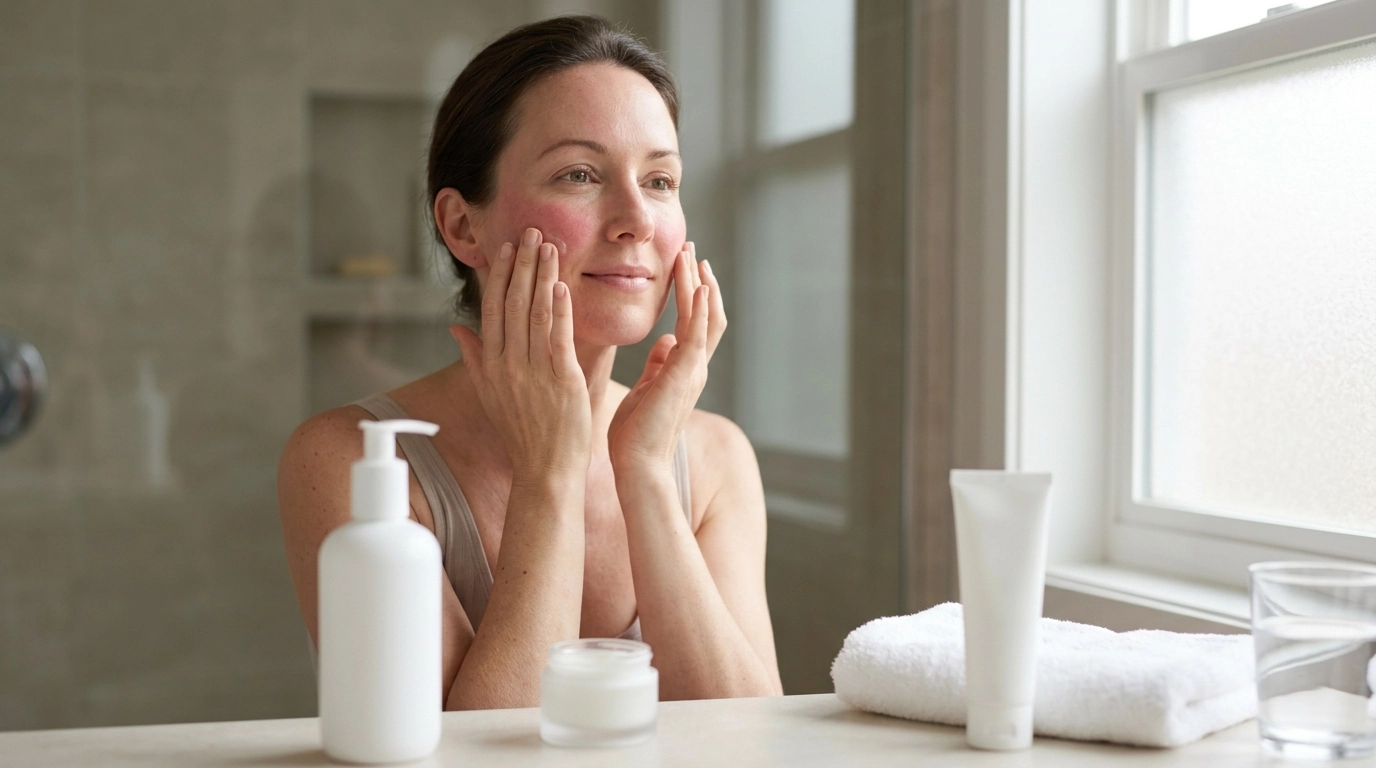
Skin Relief from Redness and Irritation: A Practical Choice Guide for Calmer-Looking Skin
Redness and irritation can show up as stinging, warmth, patchiness, or persistent flushing—often triggered by barrier damage, over-exfoliation, weather shifts, stress, or product overload. The most reliable path to calmer-looking skin is a simple routine built around barrier support, low-irritant formulas, and a steady troubleshooting plan. This guide breaks down common causes, what to look for in products, what to avoid, and how to build a routine that prioritizes comfort and resilience.
Redness and irritation: what it can look like (and why it happens)
Reactive skin isn’t always dramatic. Sometimes it’s a subtle, repeating pattern: your face feels hot after cleansing, makeup clings to dry patches, or products that “always worked” suddenly sting. Common signs include visible redness, tightness, burning or stinging, flaky patches, rough texture, and increased sensitivity to previously tolerated formulas.
Many flare-ups trace back to a weakened skin barrier—your skin’s protective “seal” that helps keep water in and irritants out. When that barrier is compromised, almost anything can feel like too much: harsh cleansers, overuse of acids and retinoids, friction from shaving or rubbing, heat and sun, and cold wind or low humidity. Sensitive barrier impairment can also overlap with acne, eczema-like dryness, or rosacea-prone flushing. If redness comes and goes once after a new product, it may be a one-time irritant. If it’s a recurring cycle, the routine itself (or a consistent trigger like sun/heat) usually needs adjusting.
If burning persists, swelling appears, a rash spreads, or symptoms intensify even after stopping suspected products, it’s a sign to pause experimentation and consider professional care. For sensitive-skin basics and practical do’s and don’ts, the American Academy of Dermatology offers helpful guidance: Sensitive skin (overview and tips).
Common triggers and low-friction adjustments
| Trigger | Typical clue | Simpler swap |
|---|---|---|
| Over-cleansing or harsh cleanser | Tightness right after washing | Use a gentle, fragrance-free cleanser; wash with lukewarm water; reduce morning cleanse |
| Overuse of acids/retinoids | Stinging with moisturizer; patchy redness | Pause actives for 1–2 weeks; reintroduce slowly (1–2x/week) |
| Fragrance/essential oils | Immediate burning or delayed redness | Choose fragrance-free and essential-oil-free formulas |
| Cold, wind, low humidity | Flaking + redness around cheeks/nose | Add a richer moisturizer; consider an occlusive layer at night |
| Sun/heat exposure | Flushing and warmth; redness worsens outdoors | Daily broad-spectrum SPF 30+; reapply; use shade and cooling measures |
Ingredients that usually help calm and support the barrier
- Barrier lipids: Ceramides, cholesterol, and fatty acids support the skin’s protective layer and can improve tolerance over time. For a deeper look at why barrier health matters, the National Eczema Association explains the basics clearly: Skin barrier basics.
- Humectants: Glycerin, hyaluronic acid, and panthenol help bind water to the skin, easing tightness. If humectants ever feel “sticky” or still leave you dry, layer a moisturizer on top to seal them in.
- Soothers: Colloidal oatmeal, allantoin, bisabolol, and simple aloe formulas can be useful when skin feels reactive.
- Niacinamide: Often helps reduce the look of redness and supports barrier function, but start low (about 2–5%) if you’re easily irritated.
- Occlusives (especially at night): Petrolatum or dimethicone can reduce friction and protect compromised areas—helpful around the nose, corners of the mouth, or any spot that stays rough.
- For acne-prone but reactive skin: Azelaic acid is often better tolerated than stronger exfoliants, but it still deserves a patch test and slow start.
Ingredients and product types that commonly make irritation worse
A simple routine template for calmer-looking skin
If flushing is frequent, persistent, or paired with visible blood vessels or eye irritation, rosacea may be part of the picture. The NHS overview is a useful reference for symptoms and management options: Rosacea (symptoms and management).
How to test products and spot the real culprit
Recommended in-stock guides for building a calmer routine
If decision fatigue is part of the problem, a structured checklist can help you stay consistent long enough to see improvement. The Skin Relief from Redness and Irritation: Ultimate Skin Choice Guide for Redness and Irritation eBook is a step-by-step decision guide designed to reduce guesswork while shopping and rebuilding your routine over time. It’s a quick-reference digital format and is currently in stock for $6.99.
Because stress can worsen flushing and sensitivity for some people, simplifying your environment can also support consistency with self-care habits. If you’re building routines you can actually maintain, One Room, Real Progress: A Simple Step-by-Step Guide for Stress-Free Home Organization is an in-stock option focused on creating manageable, low-overwhelm systems.
Quick product details
| Format | Focus | Best for | Price |
|---|---|---|---|
| eBook | Redness and irritation support | Sensitive, reactive, barrier-impaired skin routines | $6.99 |
FAQ
How long does it take for redness from irritation to calm down?
Mild irritation can look better in a few days once triggers are removed, but barrier repair often takes 2–4+ weeks of a simple routine (gentle cleanse, moisturizer, daily sunscreen). If redness is persistent, worsening, or comes with swelling or spreading rash, seek medical guidance.
Is niacinamide good for redness and sensitive skin?
Niacinamide can support the skin barrier and reduce the look of redness for many people, but it’s best to start with a low concentration (around 2–5%) and patch test. Avoid introducing it at the same time as multiple new actives so you can tell what your skin tolerates.
What should be avoided when skin is stinging or burning?
Avoid fragrance/essential oils, strong acids, scrubs, alcohol-heavy products, hot water, and aggressive rubbing while your skin is reactive. Stick to a minimal routine until comfort returns, and get evaluated promptly if burning is severe, swelling occurs, or a rash spreads.






Leave a comment