Girls’ Cozy Winter Turtleneck Tee: Layering & Fit Tips
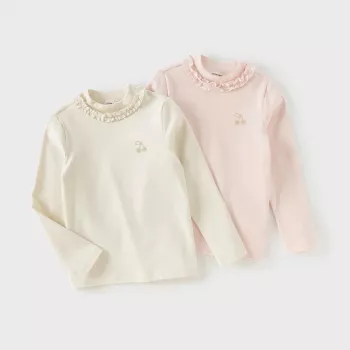
Girls’ Cozy Winter Long-Sleeve Turtleneck Tee
A winter turtleneck tee is a reliable base layer for school days, outdoor play, and family outings—warm enough to wear on its own indoors and easy to layer under sweaters, vests, and coats when temperatures drop. This style focuses on comfortable coverage at the neck and wrists, smooth layering under bulkier pieces, and simple outfit pairing across casual and dressier looks.
What Makes a Winter Turtleneck Tee a Cold-Weather Essential
When the forecast swings between chilly mornings and warmer afternoons, a long-sleeve turtleneck tee helps keep outfits flexible without feeling fussy.
- Neck coverage helps reduce heat loss and keeps scarves from rubbing directly on skin.
- Long sleeves add warmth without restricting movement for recess, sports, or travel.
- A close-to-body layer can make outerwear feel warmer by reducing drafts around the collar and cuffs.
- Easy transitions from classroom to outdoors with quick layering—just add a mid-layer and coat.
For broader cold-weather routines (like limiting time in extreme temps and keeping kids dry), the American Academy of Pediatrics also shares practical guidance for families in its Winter Safety Tips.
Comfort Details That Matter for Kids
Kids are quick to reject anything that scratches, pinches, or shifts around. The best turtleneck tees feel “invisible” once on—warm, soft, and easy to move in.
- Soft hand-feel: choose fabric that feels smooth at the neck to prevent itchiness or constant adjusting.
- Stretch and recovery: a little give helps with pulling on/off and helps the neckline keep its shape after washing.
- Breathability: useful for heated classrooms or active play so kids stay comfortable without overheating.
- Tag and seam awareness: flatter seams (or minimal seams) reduce irritation when worn under sweaters or jackets.
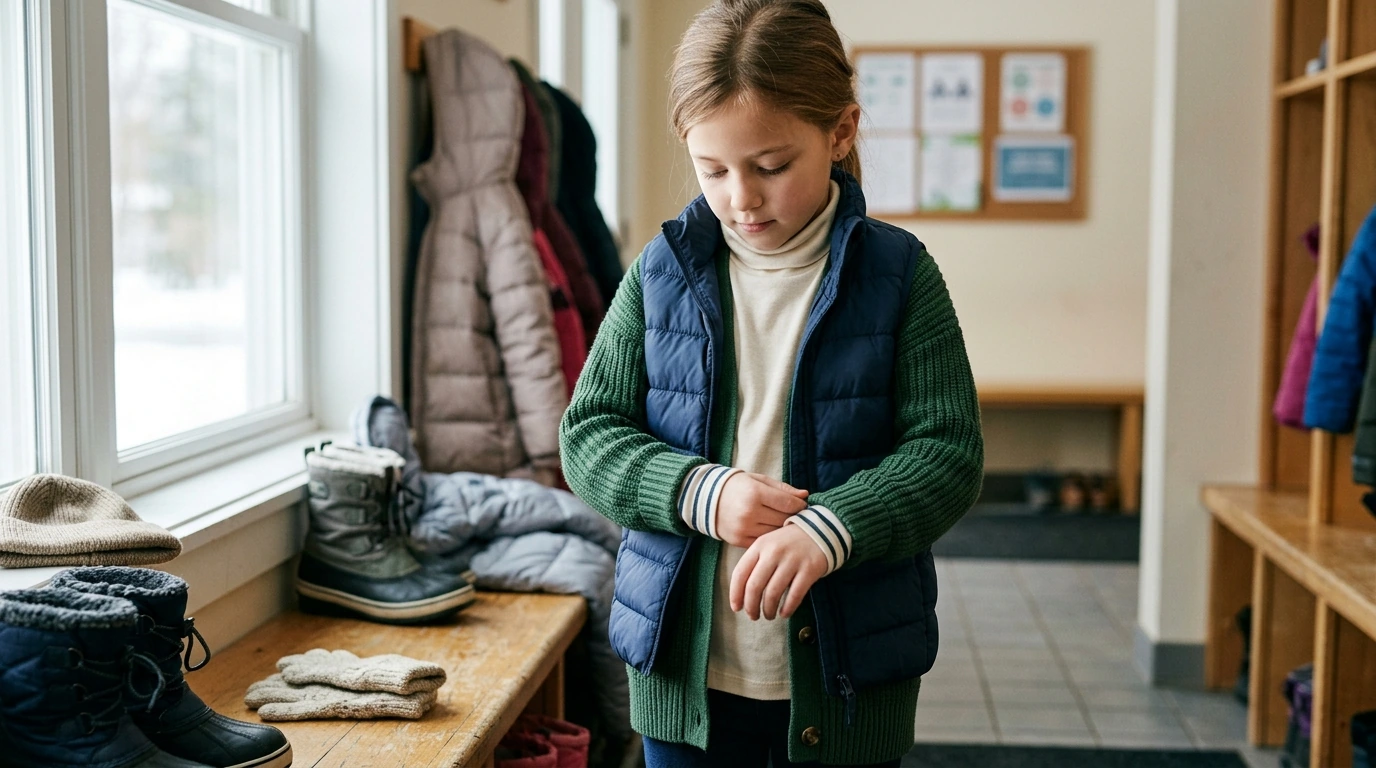
If a child tends to complain about “tight necks,” sizing and fabric choice matter as much as the turtleneck design itself—look for a comfortable, flexible collar that sits close without squeezing.
Layering Ideas for School, Weekends, and Winter Trips
A turtleneck tee earns its keep by working with what’s already in the closet. These combinations keep warmth manageable without adding bulk in the wrong places.
- Under a cardigan or pullover: keeps the neck warm while adding a tidy, put-together look for school days.
- With a puffer vest: adds arm warmth while the vest keeps the core insulated—great for mild winter days and active play.
- As a base under a fleece or hoodie: the turtleneck helps block cold air at the collar, especially on windy walks.
- Under a dress or jumper: creates a classic cold-weather outfit; pair with leggings or tights for coverage that still allows movement.
- For travel days: pair with comfy pants and a warm jacket; the higher neckline helps when temperatures fluctuate between car, airport, and outdoors.
For especially cold days, think in three layers: a comfortable base (turtleneck tee), a warm mid-layer (fleece or sweater), and a wind-resistant outer layer. Hats and gloves do a lot of work, too, since so much heat can escape from exposed areas.
Color and Outfit Pairing That Stays Practical
Color choice isn’t only about style—it can determine how often a top gets worn and how easily it mixes with the rest of a winter rotation.
- Neutrals (black, gray, cream) mix easily with patterned skirts, plaid layers, and colorful outerwear.
- Deeper winter tones (navy, forest, burgundy) hide minor smudges and look polished for events and photos.
- Bright shades make a cheerful base under darker coats and can help kids stand out in crowded places.
- Capsule wardrobes: choose 1–2 core colors for daily wear and 1 fun shade for variety.
Fit Checklist: Getting the Right Feel at the Neck and Sleeves
Quick Fit Guide for a Turtleneck Tee
| Area | Good Fit | Too Small Signs | Too Big Signs |
|---|---|---|---|
| Neck | Comfortable, no pinching, easy head movement | Complaints of tightness; red marks; hard to pull on | Collar flops down; gaps that let cold air in |
| Shoulders | Seams sit near natural shoulder edge | Pulling across upper back; restricted arm movement | Drooping seams; bunching under sweaters |
| Sleeves | Reaches wrist with minimal stacking | Rides up with movement | Excess fabric bunching at cuffs |
| Body | Covers waistband; smooth under layers | Rides up when sitting; drafty | Twists or looks oversized under a jacket |
Care Tips to Keep It Soft and Looking New
- Follow the garment’s care label for water temperature and drying guidance to protect stretch and softness. (The FTC explains what care labels cover in its Care Labeling Rule.)
- Turn inside out before washing to reduce surface wear and help keep colors looking fresh.
- Avoid high heat when drying if the fabric includes stretch fibers; excess heat can reduce elasticity over time.
- Rotate between two tops for frequent winter wear to reduce friction, pilling, and “everyday” wear patterns.
When to Choose a Turtleneck Over a Crewneck
Product Options
- Girls’ Cozy Winter Long-Sleeve Turtleneck Tee — a practical pick for layering, everyday wear, and cold-weather outfits.
- One Room, Real Progress: A Simple Step-by-Step Guide for Stress-Free Home Organization — a handy read for simplifying winter routines and keeping closets, mudrooms, and entryways easier to manage.
FAQ
Should a kid’s turtleneck feel snug at the neck?
It should be close-fitting but not tight—no pinching, no red marks, and easy head movement. If a child keeps tugging at the collar, sizing up or choosing a softer, stretchier fabric can help.
What’s the best way to layer a turtleneck tee for very cold days?
Wear it as a base layer under an insulating mid-layer (like fleece or a sweater) and finish with a wind-resistant coat. Add a warm hat and gloves to protect exposed areas.
How can a turtleneck tee stay soft after repeated washes?
Follow the care label, wash inside out, and avoid high heat in the dryer to protect fibers and stretch. Rotating between two tops also reduces friction and helps limit pilling.




Leave a comment