220V Oxygen Generator + Purifier + Atomizer: Setup Guide
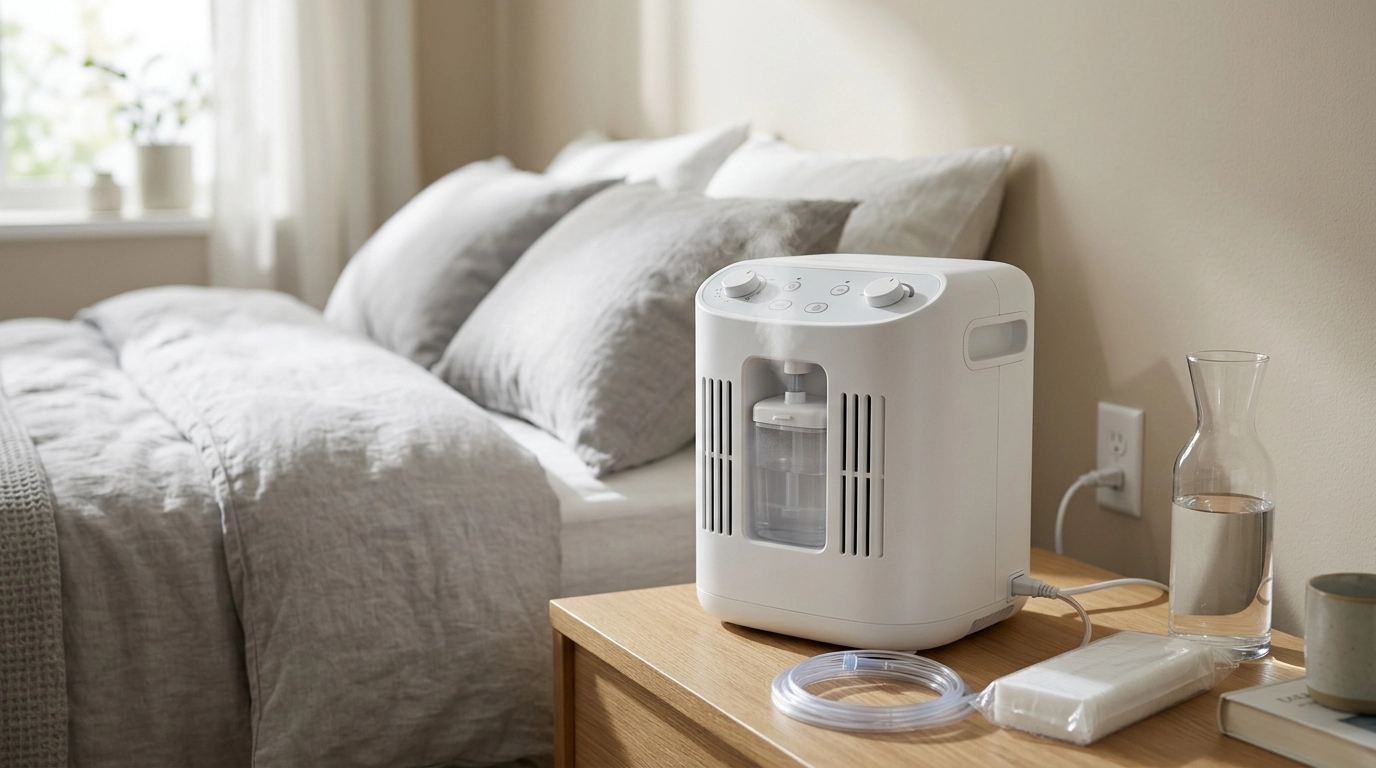
An adjustable oxygen generator combined with air purification and an atomizer is designed for controlled oxygen output, cleaner airflow, and optional moisture delivery in one compact device. This guide explains what each function does, who it can help at home or in light-care settings, how to set it up safely on 220V power, and how to maintain filters and the atomizer for consistent performance.
What This Device Combines in One Unit
Oxygen generation
An oxygen generator (often called an oxygen concentrator) takes in ambient air and concentrates oxygen to provide oxygen-enriched airflow at adjustable settings. Unlike compressed oxygen cylinders that store oxygen under pressure, a concentrator produces oxygen continuously while powered on, which can be more convenient for routine, at-home use when recommended by a clinician.
Air purification
Air purification supports the reduction of airborne particulates and some odors, depending on the filtration system used and how well the filter fits and seals. Real-world results vary based on room size, airflow rate, and the type of contaminants present (dust vs. smoke vs. cooking odors).
Atomizer (fine mist)
The atomizer disperses a light water mist to support localized humidity—helpful when dry indoor air contributes to throat or nasal discomfort. Using distilled water is typically the easiest way to keep mist output consistent and reduce mineral scale in the reservoir and nozzle.
Why integration matters
Combining these functions in one unit can reduce clutter (fewer separate devices and cords) and makes it easier to build consistent daily habits—especially if you prefer keeping your wellness setup in one dedicated spot.
Who It’s For and When It Makes Sense
Home wellness support (with guidance)
This type of unit can fit well in bedrooms or resting areas for people using supplemental oxygen under clinician guidance and who also want cleaner-feeling air circulation. If oxygen is being used for a diagnosed condition, follow the care plan and any monitoring instructions provided.
Dry-climate and heating-season comfort
Odor and particulate management
Not for emergencies
Key Functions Explained: Adjustable Oxygen, Purification, Atomizing
Adjustable oxygen: prioritize stability
Purification airflow path: keep it breathing
Atomizer use: comfort over condensation
Noise and warmth: plan placement
| Function | What it does | Best use moments | Practical tip |
|---|---|---|---|
| Adjustable oxygen output | Delivers oxygen-enriched airflow at selectable levels | Resting, recovery periods, nighttime use when recommended | Keep tubing straight and avoid kinks; monitor comfort and follow clinician targets |
| Air purification | Helps reduce airborne particles/odors depending on filter type | Bedrooms, offices, pet areas, light cooking odor control | Replace/clean filters on schedule; do not block air inlets |
| Atomizer (humidifying mist) | Adds moisture to nearby air | Dry indoor air, winter heating season, sore throat dryness | Use distilled water; clean reservoir regularly to prevent buildup |
| 220V operation | Designed for regions with 220–240V mains power | Homes with compatible voltage outlets | Use a properly rated outlet; avoid cheap adapters and overloaded power strips |
Safe Setup on 220V Power
Verify voltage compatibility
Choose a safe location
Check tubing and accessories
Fire and oxygen safety basics
Oxygen-enriched environments can increase flammability risk. Keep the unit away from smoking, candles, and open flames, and avoid oil or grease around oxygen pathways (hands, connectors, and fittings should be clean and dry). For general oxygen concentrator safety considerations, reference the U.S. Food & Drug Administration overview.
Using the Atomizer Without Over-Humidifying
Start low and observe comfort
Keep humidity in a comfortable range
Use better water for cleaner mist
Clean on a steady rhythm
Rinse and dry reservoir components and follow the manufacturer’s cleaning instructions to reduce microbial growth risk. For general safe-use and cleaning guidance, see the Centers for Disease Control and Prevention recommendations on humidifier care.
Maintenance Checklist for Consistent Performance
Filter care
Inspect intake filters regularly and replace them on schedule (or sooner in dusty homes or pet-heavy spaces). A clogged filter can reduce airflow, increase noise, and make the unit work harder than necessary. For broader context on air cleaner effectiveness and placement, reference the EPA guide to air cleaners in the home.
Exterior cleaning
Atomizer descaling
Performance cues to watch
Comfort, Room Fit, and Practical Placement
Room size reality
Sleep-friendly setup
Pet and child safety
Moving the unit
Product Picks for a Simplified Home Setup
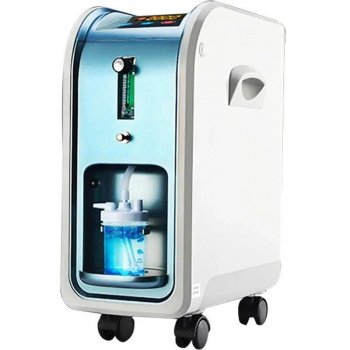
- Adjustable 220V Oxygen Generator & Air Purifier with Atomizer ($662.47) — a single unit that combines adjustable oxygen output, air purification support, and a fine-mist atomizer for dry-air comfort.
- Stainless Steel UV Filter Pet Water Fountain ($407.01) — a helpful companion product for households managing pet-related air and comfort factors, supporting fresher water with a durable stainless design.
- One Room, Real Progress: A Simple Step-by-Step Guide for Stress-Free Home Organization ($7.99) — a quick, practical guide for reducing clutter so devices can be placed safely with proper ventilation and fewer trip hazards.
When to Seek Medical Guidance
If oxygen is used for a diagnosed condition
Stop and reassess if symptoms worsen
Condition and medication interactions
FAQ
Can the atomizer be used at the same time as oxygen generation?
Many combo units are designed for simultaneous use, but comfort and humidity control still matter. Keep humidity moderate, use distilled water, and follow your device manual for any mode limitations or recommended run times.
Is an oxygen generator the same as an oxygen tank?
No. An oxygen generator (concentrator) makes oxygen-enriched airflow by filtering room air while powered on, while a tank stores compressed oxygen. Concentrators are convenient for routine use, but medical guidance is still important, and emergency needs require appropriate medical support.
How often should filters and the atomizer reservoir be cleaned?
Do quick visual checks weekly, clean the atomizer reservoir regularly (often every few days to weekly depending on use), and replace or clean filters based on the manufacturer’s schedule. Homes with dust, pets, or smoke typically need more frequent maintenance.





Leave a comment