Dress for Proportion: Easy Outfits for Every Shape
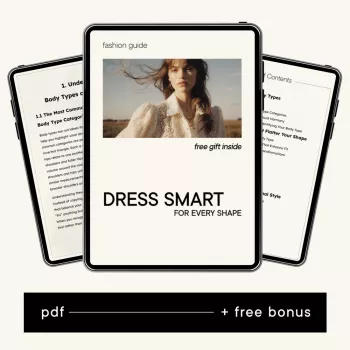
Dress Smart for Every Shape: A Practical Styling System That Makes Getting Dressed Easy
Style gets easier when the goal stops being “fixing” a body and starts being building outfits with proportion, structure, and intention. Instead of chasing a label or a trend, you can use a repeatable method: choose a silhouette that supports your day, add (or remove) structure where you want clarity, and place focal points on purpose. That approach works across brands, sizes, and seasons—and it creates calmer mornings with fewer “nothing to wear” moments.
If you want a plug-and-play toolkit, Dress Smart for Every Shape – Body Type Styling Guide, Personal Style eBook, AI Outfit Prompts, Capsule Wardrobe & Confidence Building Checklist puts the system into templates you can reuse.
The core idea: dress for proportion, not a label
Forget rigid “rules.” Outfit success is usually about three controllable levers that work for every body:
- Silhouette (overall outline): column, A-line, fitted-and-flared, straight, oversized-with-intent.
- Structure (fabric + tailoring): crisp denim, ponte, suiting, or a fluid drape that skims instead of clings.
- Focal points (where the eye lands): neckline, shoulder detail, belt placement, a statement shoe, a bright bag.
Replace “don’t wear X” with outcomes you can aim for: define the waist (or keep it clean), lengthen the leg line, balance shoulders and hips, add vertical lines, or create intentional volume.
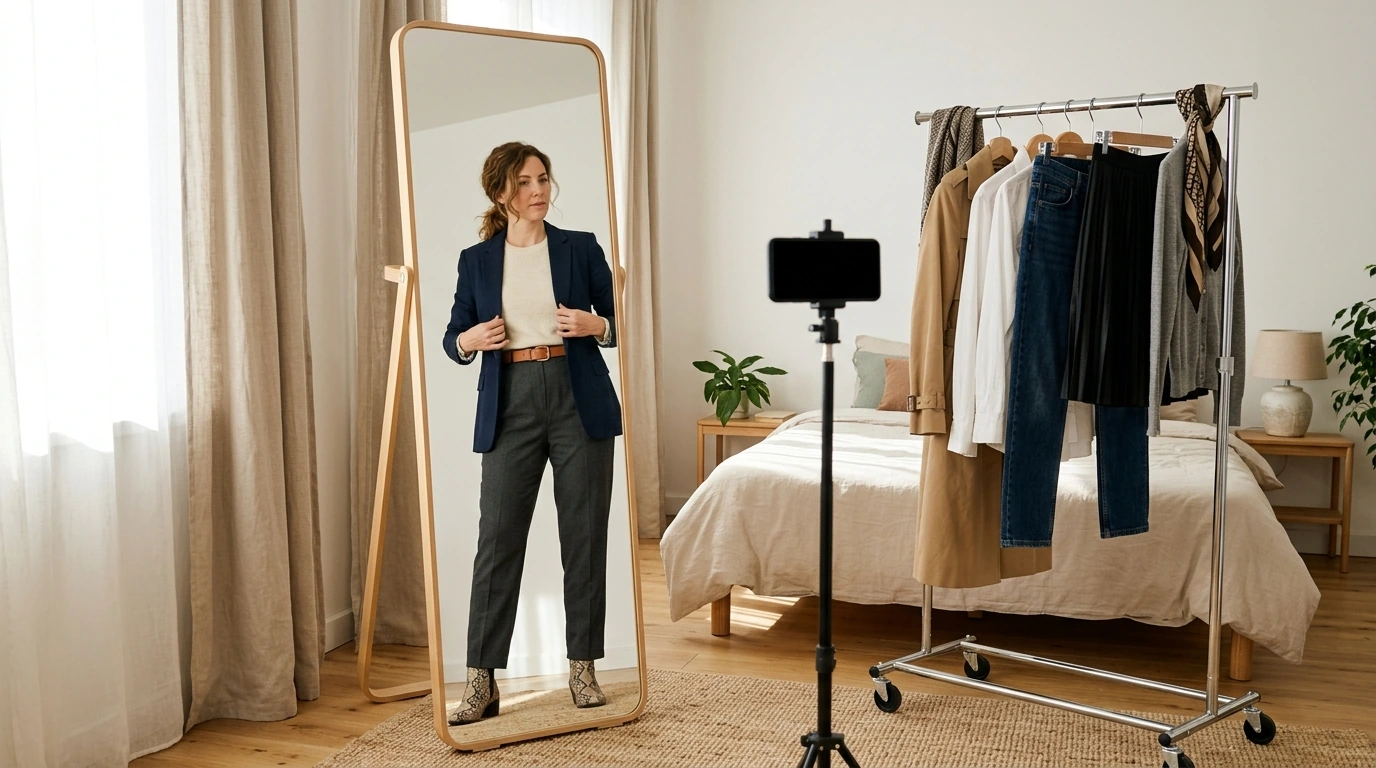
Use a simple feedback loop that gets better over time: try on → take a quick photo in natural light → note what worked (neckline, rise, sleeve, hem length, shoe) → save it as a template. You’re building a personal fit library, not chasing perfection.
Find your proportions in 3 quick checks
1) Shoulders vs. hips
Take a straight-on photo (phone at chest height). Which area reads visually wider: shoulders or hips? This doesn’t have to be dramatic. It simply tells you where to add structure (to “match” the other side) or where to add softness (to relax the line).
2) Waist definition preference
3) Leg line + rise
Smart styling moves for common shape families
| Shape goal | Necklines & tops | Bottoms | Layers & dresses | Quick avoid (for most) |
|---|---|---|---|---|
| Add shoulder presence (balance hips) | Boat, square, subtle puff, structured tees | Straight/bootcut, clean dark denim | Cropped jacket, fit-and-flare dress | Overly clingy thin knits that collapse |
| Create a longer vertical line (midsection ease) | V-neck, open collar, longer pendants | Flat-front, mid/high rise that’s comfortable | Longline blazer, wrap or empire dress | Tight waistbands that cause tugging/rolling |
| Define a waist (add shape) | Tuckable tops, wrap, peplum (lightweight) | High rise, tapered or wide-leg (intentional) | Belted coat, cropped layers over longer base | Heavy bulk stacked at the natural waist |
| Softly balance broader shoulders | Scoop, V, raglan, softer fabrics | A-line, pleats, wider-leg, lighter tones | Unstructured layers, skirts with movement | Extra shoulder padding + narrow bottoms |
A capsule wardrobe that adapts to your body and your life
To cut returns, use fit rules that are actually practical: shoulders must fit; waists can often be tailored; hems can be shortened; size for your largest area and tailor the rest. If you’re building a calmer home routine around your closet, pairing your wardrobe edits with a small organizing reset can help—One Room, Real Progress: A Simple Step-by-Step Guide for Stress-Free Home Organization is a straightforward companion for keeping clothing and accessories “ready to wear,” not piled up.
Outfit builder: reusable AI outfit request formulas
If you want these formatted as copy-and-paste templates (plus capsule planning checklists), Dress Smart for Every Shape bundles the prompts with a style framework so you’re not starting from scratch each time.
Confidence building checklist for faster, calmer mornings
- Pre-decide 3 go-to outfits per season and save photos. This cuts decision fatigue immediately.
- Run a “comfort first” scan: waist (sit test), shoulder reach, shoe time-on-feet, fabric feel, and temperature range.
- Use a mirror script that’s about function: “This outfit supports my day” keeps focus on intention over critique. (If you want deeper context on body image and mindset, see the American Psychological Association overview on body image and Harvard Health on self-compassion.)
- Do a weekly 10-minute reset: steam/iron two outfits, check hem lines, lint roll, and return items to a ready-to-wear state.
Even fashion vocabulary can feel confusing; a quick primer like Britannica’s fashion overview can help clarify terms (silhouette, tailoring, proportion) so shopping and styling decisions feel less murky.
A ready-to-use toolkit: styling guide + eBook + prompt pack
Dress Smart for Every Shape – Body Type Styling Guide, Personal Style eBook, AI Outfit Prompts, Capsule Wardrobe & Confidence Building Checklist is built for repeatability: outfit levers you can apply instantly, a personal style framework that turns preferences into “uniforms,” and templates that help plan targeted additions instead of impulse buys.
For anyone refining their space alongside their style, Maximize Function, Minimize Clutter | Multifunctional Room Layouts eBook can support a more functional get-ready area—because a smoother morning often starts with a smoother setup.
FAQ
Do body type guides work if sizing is inconsistent across brands?
Yes—because proportions, fabric behavior, and silhouette goals are more reliable than any size number. Prioritize shoulder fit, choose comfortable waistlines, and tailor hems or waists when needed; basic measurements help you shop faster and return less.
How many pieces are enough for a capsule wardrobe that still feels interesting?
A practical range is about 25–40 core pieces per season (excluding workout gear and special-occasion items). Variety comes from outfit formulas, a cohesive color palette, and accessories that change the focal point.
What should an AI outfit request include to get useful results?
Include the occasion, weather, footwear, comfort needs, preferred coverage, silhouette goal, your color palette, and the exact items you have available. Ask for multiple variations so you can choose what matches your day and mood.



Leave a comment