60W Portable Bluetooth Speaker: Class D Power, Deep Bass
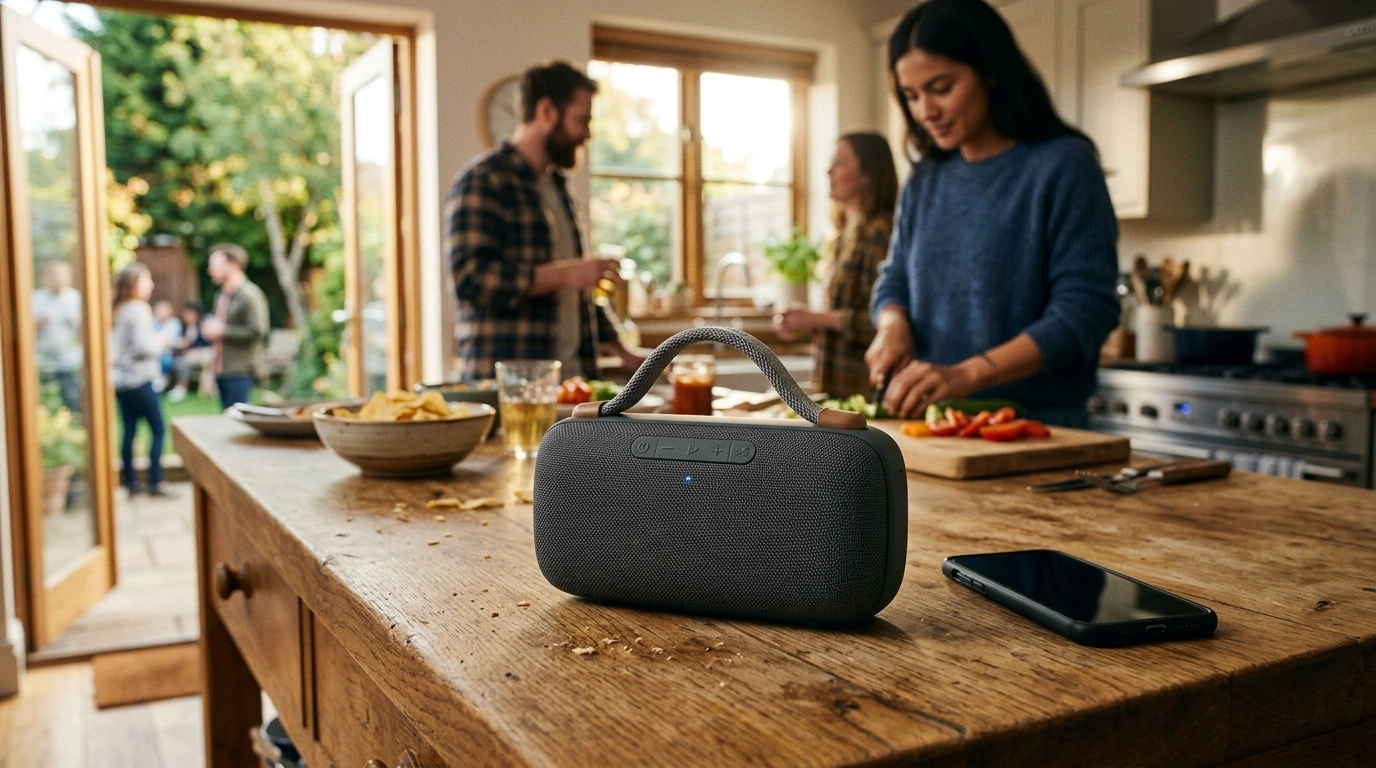
Portable 60W Bluetooth Speaker with Class D Amplifier and Deep Bass: Big Sound That Travels
A portable speaker earns its keep when it can do two things at once: stay easy to carry and still sound full, confident, and clean at higher volume. Our Portable 60W Bluetooth Speaker with Class D Amplifier and Deep Bass is built around a Class D amplifier for efficient power delivery and a tuned low end for deep bass that feels satisfying—not boomy or thin. Whether you’re setting background music while cooking, putting on a playlist for a backyard hang, or grabbing something quick for weekend plans, this is the kind of speaker meant to move with you and keep the energy up without fuss. For more guidance, see Bluetooth Speaker Output – Great Research.
What “portable” should feel like: grab, pair, press play
Portability is more than just being smaller than a bookshelf speaker. In real life, it’s how quickly you can relocate it, reconnect it, and get the room sounding right again. For further reading, see Jade Audio Level 1 – Reviews.
- Convenience counts as portability. You want something simple to move from room to room, then easy to stow when you’re done—without turning “music time” into a setup project.
- Start pairing smart. Bluetooth tends to behave best when the speaker is close to your primary device during first-time setup; after that, reconnects are typically smoother.
- Skip the “sweet spot” chase. For shared spaces, a portable speaker is most useful when it can fill the area evenly so vocals and bass stay clear even when you’re not standing right next to it.
- More power can mean less strain. A higher-power portable speaker often reduces the urge to max out volume—right where many compact speakers start to sound stressed and sharp.
Why a Class D amplifier changes the experience
Class D amplification is a big reason modern portable speakers can sound surprisingly confident without getting bulky. The core idea is efficiency: more of the input power is converted into usable output and less is wasted as heat compared to older linear amplifier approaches. That efficiency matters when you’re packing meaningful output into a portable footprint.
- Efficient power delivery. It supports stronger output in a compact build and helps performance stay steadier over longer listening sessions.
- Cleaner control when music gets dynamic. When a track jumps—kick drum hits, bass drops, or sudden volume swings—a well-implemented Class D amp can keep the sound composed.
- “Effortless” volume is the real win. Instead of pushing a small speaker to its edge, you get volume that feels more relaxed, with less of the harshness that can show up when you crank it.
If you like digging into technical references, you can read more from Texas Instruments’ Class-D audio amplifiers overview. For Bluetooth standards background, the Bluetooth SIG specifications library is the authoritative source.
Deep bass that still sounds defined
Deep bass is most satisfying when it stays tight—meaning you can hear the texture in bass guitar notes and feel punch in kick drums, not just a low-frequency rumble. With portable speakers, your room (or lack of room outdoors) plays a major role in how bass lands.
- Use a stable surface. A solid countertop or sturdy shelf reduces vibration and helps bass feel cleaner.
- Work the wall distance. Walls and corners can boost perceived bass, but too close can blur it and crowd your midrange.
- Tame “lively” rooms. Hard floors and bare walls can smear clarity; adding soft furnishings nearby often makes bass feel deeper because vocals and instruments stop competing with reflections.
- Expect outdoor bass to feel lighter. In open air, low frequencies disperse; a stronger speaker helps keep the low end present when there aren’t walls helping you out.
Quick sound-tuning checklist (no extra gear needed)
| Situation | Try this | What it improves |
|---|---|---|
| Speaker on a hollow table | Move to a solid surface (countertop, sturdy shelf) | Cleaner bass, fewer rattles |
| Bass feels boomy indoors | Pull the speaker a bit farther from the wall/corner | More definition and vocal clarity |
| Bass feels thin outdoors | Place near a solid object (wall, cooler, or patio structure) without blocking it | Stronger perceived low end |
| Vocals get lost at higher volume | Lower volume slightly and reposition closer to ear level | Better midrange detail |
60W power: what it’s good for in real life
Where this speaker fits: from kitchen counters to weekend plans
Helpful add-ons for a simpler space (optional, but practical)
- Maximize Function, Minimize Clutter | Multifunctional Room Layouts eBook for ideas on where portable tech fits best without crowding your surfaces.
- One Room, Real Progress: A Simple Step-by-Step Guide for Stress-Free Home Organization if you want a straightforward system for keeping “grab-and-go” items (like speakers and chargers) easy to find.
Easy care tips that protect sound quality over time
FAQ
What does a Class D amplifier do in a portable Bluetooth speaker?
A Class D amplifier is designed to be highly efficient, converting more power into usable audio output with less wasted energy as heat. In a portable Bluetooth speaker, that efficiency helps support stronger volume and cleaner sound in a compact build.
How can deeper bass be improved without changing any settings?
Place the speaker on a solid, stable surface and experiment with small changes in distance from walls or corners to find tighter bass. Outdoors, try positioning it near a solid object (without blocking it) and keep it closer to ear level to maintain clarity.
Is a 60W portable speaker enough for a small gathering?
Yes—60W is typically a strong fit for a living room, patio, or garage get-together because it provides headroom for lively listening without as much strain. For best coverage, place it centrally where people are gathered rather than turning it up in a corner.



Leave a comment