Cordless Pro Hair Clipper: High-Speed Motor, Sharp Fades
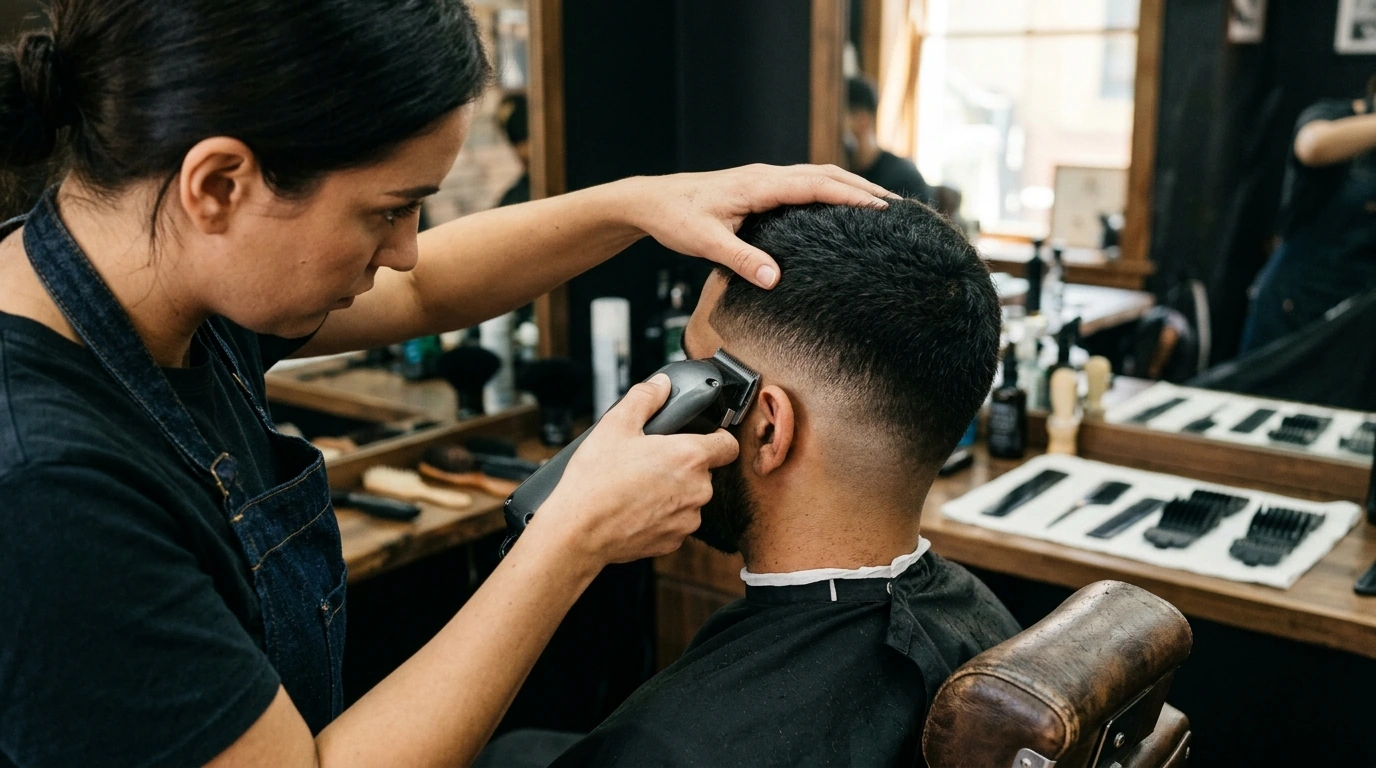
Professional Cordless Hair Clipper with High-Speed Motor & Precision Blades
A high-speed motor paired with precision blades is built for clean lines, consistent fades, and efficient bulk removal—without being tethered to an outlet. Whether you’re maintaining a weekly lineup at home or rotating through back-to-back cuts, a truly capable cordless clipper should feel stable in the hand, stay consistent through dense areas, and remain comfortable over longer sessions. For more guidance, see Professional Hair Clipper for Men Cordless Hair Trimmer Series 5 ….
What Makes a Cordless Clipper Feel “Professional”
“Professional” isn’t just about raw speed—it’s the combination of power delivery, blade design, comfort, and reliability that helps you produce repeatable results. For further reading, see Hair clipper – Wikipedia.
- High-speed motor performance: Maintains cutting power through dense hair and longer sessions with less snagging, so you don’t have to redo the same section repeatedly.
- Precision blade geometry: Supports crisp outlines, smoother blending, and more consistent length control—especially when you’re detailing around the ears or building a fade.
- Cordless balance and ergonomics: Makes it easier to keep natural wrist angles around tricky spots like the neckline, behind the ears, and along beard lines.
- Noise, vibration, and heat management: Lower perceived vibration and controlled heat can make a noticeable difference when you’re taking your time on finishing work.
- Consistency across hair types: Straight, wavy, curly, and coarse hair all benefit from stable torque and sharp edges that don’t stall in thicker patches.
At-a-Glance Specs to Compare Before Buying
Two clippers can look similar on paper but behave very differently once you start fading. Focus on the specs that influence “feel” under load, not just headline numbers.
- Motor speed/torque: Faster isn’t always better—look for steady power that doesn’t bog down when you hit dense growth patterns.
- Blade type and adjustability: Fixed vs. adjustable lever matters if you rely on tiny length changes to erase a weight line.
- Battery runtime and charge time: Determines whether it suits travel, home use, or a full day of cuts.
- Charging style: USB vs. dock (and whether it can run while charging in a pinch).
- Accessories: Guard range, cleaning brush, oil, cape, and storage options influence how easy it is to stay consistent.
| Feature | Why it matters | What to look for |
|---|---|---|
| High-speed motor | Cleaner passes with fewer repeats | Stable power on thick/coarse hair |
| Precision blades | Sharper outlines and smoother blending | Even cutting, minimal pulling |
| Cordless design | Freedom of movement | Comfortable grip and good balance |
| Battery performance | Session reliability | Runtime that matches typical cut length |
| Maintenance needs | Long-term sharpness and hygiene | Easy-to-clean blade area, simple oiling |
How to Use It for Clean Fades and Sharp Edges
A strong clipper helps, but technique is what turns “short” into “clean.” These habits reduce patchiness and make blending easier.
- Prep the hair: Wash or lightly mist, detangle, and fully dry if you want the most consistent clipper work. Wet hair can lie differently and hide weight lines.
- Bulk removal first: Start with a longer guard to remove length quickly, then refine. This keeps the blade from fighting through unnecessary bulk.
- Fade in zones: Work bottom, mid, then top using small, controlled strokes and a flick-out motion as you approach the blend line.
- Use lever/length steps: If your clipper has a taper lever, open/close gradually to erase lines instead of jumping guards too aggressively.
- Detail with the corners: Around ears and the neckline, use the corner of the blade and short strokes for crisp edges without digging in.
- Avoid pressure: Let the motor and blade do the work. Pressing harder can cause irritation and uneven cutting—especially on sensitive neck skin.
Where a High-Speed Motor Helps Most
Care, Cleaning, and Blade Longevity
- After each use: Brush out hair from the blade area and wipe the exterior so trapped debris doesn’t increase heat and drag.
- Disinfecting: Use a grooming-tool-appropriate disinfectant and follow proper contact time guidance. General cleaning and disinfection best practices are outlined by the CDC.
- Oil routinely: A few drops on the blades reduces friction, noise, and heat and helps preserve the edge.
- Check alignment: Misaligned blades can snag hair and irritate skin—inspect before edging, especially if the clipper was dropped.
- Storage: Keep it dry and protected so blade precision stays intact.
Who This Clipper Fits Best
Product Spotlight
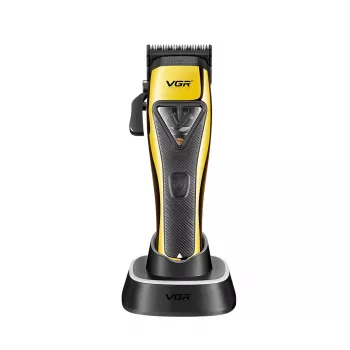
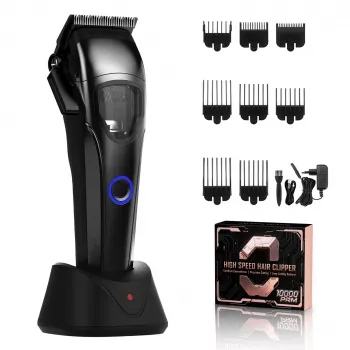
If you want cordless convenience without giving up cutting authority, the Professional Cordless Hair Clipper with High-Speed Motor & Precision Blades is designed for fast, consistent cutting and detailed finishing. It’s a solid match for bulk removal with guards, fade blending, and clean perimeter work—especially when paired with steady technique and routine oiling.
More In-Stock Picks
- Stainless Steel UV Filter Pet Water Fountain (for a cleaner, low-maintenance hydration setup for pets)
- One Room, Real Progress: A Simple Step-by-Step Guide for Stress-Free Home Organization (a practical guide for simplifying home routines)
FAQ
How often should clipper blades be oiled?
Oil after cleaning or every few uses, and oil more often if you’re cutting thick/coarse hair or doing longer sessions. If the clipper starts sounding louder, feeling hotter, or dragging instead of gliding, it usually needs oil.
Can a cordless clipper handle thick or coarse hair without pulling?
Yes, if it has steady power under load and sharp blades, and if you use light pressure with multiple short passes rather than forcing the blade through bulk. Routine cleaning and oiling also reduce tugging by lowering friction.
How can clipper irritation on the neckline be reduced?
Use lighter pressure, avoid repeated dry passes over the same spot, and keep blades clean, disinfected, and properly aligned. For sensitive skin, consider finishing with a slightly longer setting or guard and cleansing the area after the cut.


Leave a comment