6-Meal Cat Feeder: Scheduled Portions for Busy Homes
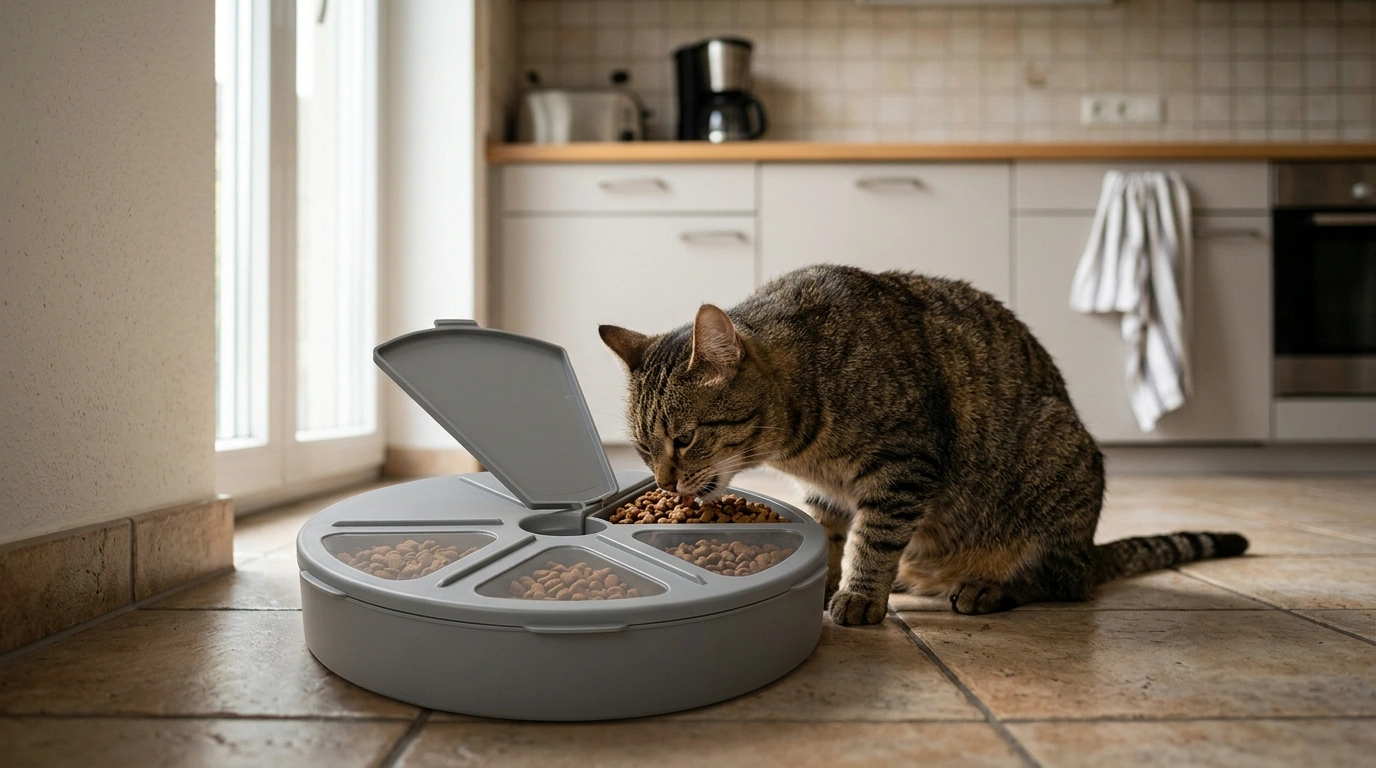
6-Meal Automatic Pet Feeder for Cats: Reliable Scheduled Portions for Busy Days
Consistent mealtimes can help support healthy weight, reduce food-related stress, and make care simpler when schedules change. A 6-compartment automatic feeder offers pre-portioned meals that rotate into place at set times, which is especially useful for workdays, overnight feeding, or shared households where “extra scoops” can happen. For more guidance, see Review: Best Automatic Cat Feeder Dry Food | Portion Control.
For households that want a predictable routine without hovering over the food bowl, a rotating-tray design is a straightforward way to schedule up to six servings at a time—while still keeping portions visible and easy to adjust. For further reading, see Review: Best Portion Control Automatic Cat Feeder Dry Food.
What a 6-compartment automatic feeder does well
- Schedules meals ahead so feeding happens even when no one is home.
- Helps control portions by separating meals into individual compartments.
- Supports routine for cats that wake owners early for food.
- Works for cats that do better with smaller, more frequent meals.
- Reduces the chance of double-feeding in multi-person households.
A practical advantage of the 6-tray approach is clarity: you can see exactly what’s being served and when. That visibility helps when you’re monitoring appetite changes (especially for picky eaters) or when different family members share feeding duties.
At-a-glance: key details and practical fit
- Best for: portioned wet or dry food meals that can be placed in individual trays.
- Meal capacity: 6 meals per fill cycle, useful for a full day or weekend coverage depending on schedule.
- Great for: single-cat homes, controlled diets, and predictable feeding routines.
- Considerations: wet food timing and room temperature limits; cleaning routine for the tray and lid.
Quick comparison: 6-compartment feeder vs. common alternatives
| Option | Strengths | Trade-offs | Best for |
|---|---|---|---|
| 6-compartment rotating tray feeder | Pre-portioned meals; clear schedule; can serve wet or dry food | Limited to 6 servings before refilling; tray cleanup required | Cats needing scheduled portions and owners wanting predictable control |
| Gravity feeder | No power needed; always available food | Encourages grazing/overfeeding in many cats; harder to manage portions | Cats who self-regulate and don’t overeat (less common) |
| Hopper-style programmable feeder | Large kibble storage; many feedings without refilling | Typically dry food only; portion calibration varies by kibble size | Dry-food households needing longer autonomy |
| Manual measured feeding | Maximum control; easy to adjust day-to-day | Requires someone home; inconsistent timing if schedules vary | Households with consistent routines and hands-on feeding |
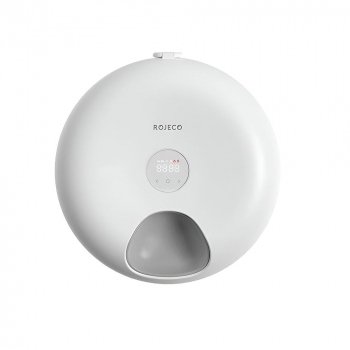
If you’re looking for a rotating-tray option, the 6-Meal Automatic Pet Feeder for Cats is designed around scheduled, separated portions—helpful when you want predictable timing without free-feeding.
How to set up a smooth feeding routine
- Start with the current schedule, then shift meal times gradually (15–30 minutes earlier/later per day) if needed.
- Use measured portions: confirm daily calories with a veterinarian, then divide across planned feedings.
- Introduce the feeder while at home: run a few “practice” meal rotations to build confidence.
- Place the feeder on a stable, low-traffic surface away from litter boxes and loud appliances.
- For multi-cat homes: consider supervision at first; food-guarding may require separate feeding areas.
Many cats adapt faster when the first few timed meals happen while you’re nearby. That allows you to confirm the lid opens/rotates smoothly, check that your cat can access the tray comfortably, and fine-tune the portions before relying on it during a long workday.
Wet food, dry food, and safe timing
- Dry food is generally simpler for timed feeders; confirm kibble size doesn’t jam lids or block rotation.
- Wet food can work in compartment feeders, but room-temperature exposure time matters; use smaller portions and keep the schedule tight.
- If the feeder supports it, consider using an ice pack approach (under/around the tray) to keep wet meals cooler for longer windows.
- Discard uneaten wet food after the safe window; wash the tray to reduce bacteria and odors.
- For cats on prescription diets, confirm compatibility (texture, portioning, and timing) with the prescribing veterinarian.
Food handling matters just as much as scheduling. For extra peace of mind, review safe pet food storage and handling basics from the FDA. For general feeding and nutrition guidance, the American Veterinary Medical Association (AVMA) is a helpful reference point.
Cleaning and maintenance that prevents odors and sticking
When an automatic feeder is especially helpful
Hydration pairs naturally with routine feeding. If your cat drinks more from moving water, a fountain can complement a timed feeding setup—consider the Stainless Steel UV Filter Pet Water Fountain to help keep fresh water available throughout the day.
FAQ
Can a 6-compartment automatic feeder work with wet food?
Yes, many rotating-tray feeders can portion wet food, but the schedule should keep room-temperature exposure short. If your model supports cooling accessories, they can help extend a safer window, and prompt cleaning reduces odor and spoilage risk.
How many meals can be scheduled before refilling?
A 6-meal tray provides up to six pre-portioned servings per load. How long that lasts depends on whether your cat eats two larger meals per day or several smaller meals.
Will an automatic feeder stop a cat from overeating?
It can help by limiting access to measured portions at set times, which prevents constant grazing from an always-full bowl. Total daily calories still need to be selected appropriately and adjusted based on weight trends and veterinary guidance.



Leave a comment