15-Function Bread Maker with Gluten-Free Cycle: Easy Loaves
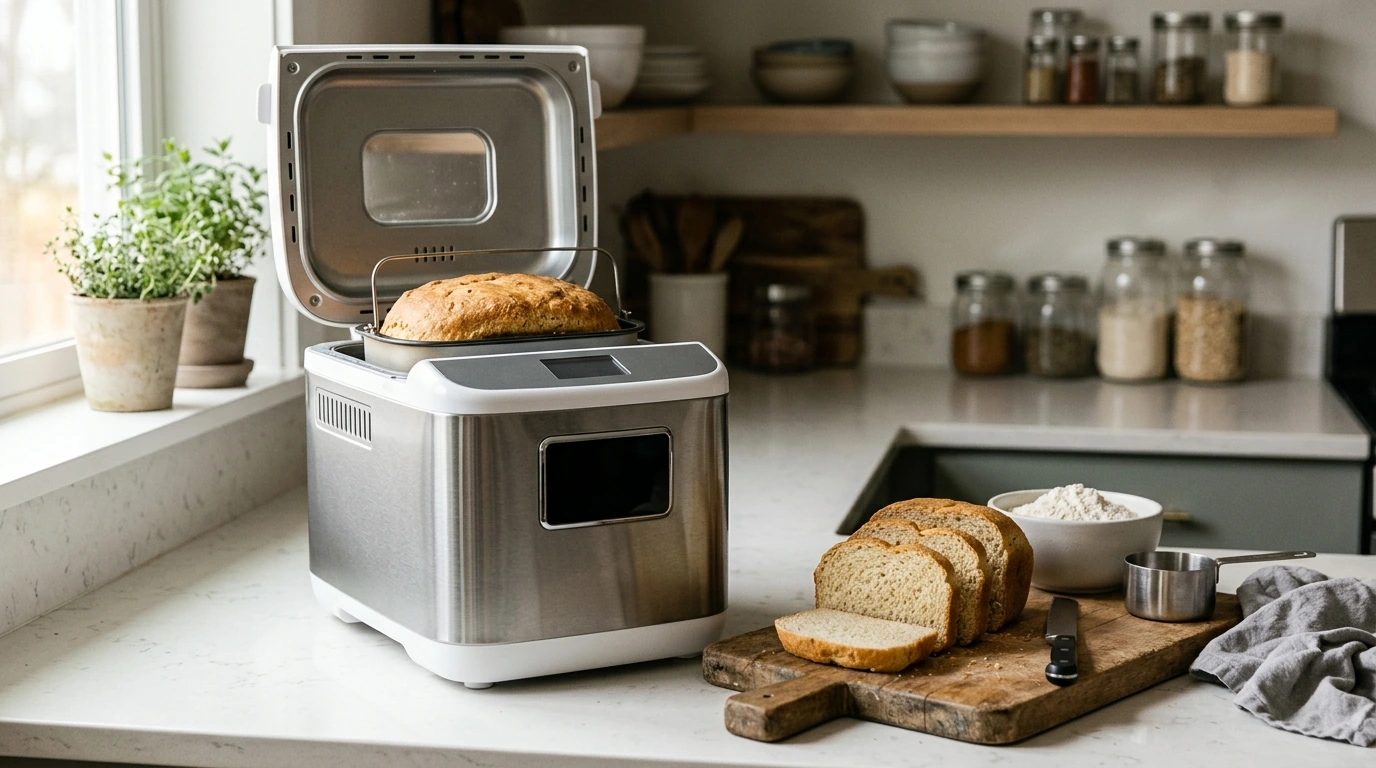
Automatic Bread Maker with 15 Functions & Gluten-Free Setting: Fresh Loaves Made Simple
A countertop bread maker can turn basic pantry staples into consistent loaves with far less effort than hand-kneading and constant oven monitoring. With multiple programs—including a dedicated gluten-free setting—this style of machine helps match mixing and baking to different dough behaviors, from soft sandwich bread to denser gluten-free recipes. The sections below break down what the functions do, how to get better results on gluten-free cycles, and what to check before buying.
What a multi-function bread maker does differently
A multi-function bread maker streamlines the full bread workflow inside a single lidded pan. Instead of juggling bowls, timers, and oven temperature swings, it runs a consistent sequence designed for repeatable outcomes.
- Combines mixing, kneading, proofing, and baking in one enclosed space to stabilize temperature and timing.
- Uses preset programs that adjust knead intensity, rise duration, and bake time for different dough types.
- Reduces common failure points like under-proofing, over-proofing, and uneven oven heat.
- Supports “same loaf next time” results by keeping the process consistent from batch to batch.
Understanding the 15 functions: what they’re typically for
Function counts vary by brand, but many 15-function machines cover a similar set of everyday programs. The key is choosing the cycle that matches how the dough behaves—elastic wheat dough needs different handling than batter-like gluten-free blends.
- Basic/White: Everyday sandwich loaves with standard rise time.
- Whole wheat: Longer rest and rise to hydrate bran and develop structure.
- Quick bread: Shortened rise for faster turnaround (best with recipes designed for it).
- Sweet: Tuned for enriched doughs with sugar, eggs, or milk; helps prevent over-browning.
- Dough-only: Mixes and proofs for shaping rolls, pizza, or braided loaves baked separately.
- Jam/cake options (on many multi-function models): Gentle mixing and controlled heating for batters or fruit preserves.
- Gluten-free: Customized mixing/rest/bake pattern for doughs that behave more like thick batter than elastic wheat dough.
Program guide and best-use notes
| Function type | Best for | Helpful tip |
|---|---|---|
| Basic/White | Standard wheat loaves | Measure liquids first, then flour to reduce dry pockets. |
| Whole wheat | 100% whole wheat or mixed-grain loaves | Allow a short rest after mixing so bran fully hydrates. |
| Sweet | Brioche-style and enriched breads | If crust browns too fast, choose a lighter crust setting when available. |
| Dough | Pizza, rolls, cinnamon buns (bake separately) | Shape on a lightly oiled surface to avoid adding extra flour. |
| Gluten-free | Gluten-free sandwich loaves and mixes | Aim for a thick, scoopable batter; resist adding extra flour mid-cycle. |
Why the gluten-free setting matters
Gluten-free bread succeeds for different reasons than wheat bread. Without gluten to create a stretchy network, structure comes from hydration, starch gelatinization, and binders (such as xanthan gum or psyllium husk). A dedicated gluten-free program is designed around those realities.
- Gluten-free doughs depend on the right water-to-flour ratio and a binder system, not long gluten development.
- A gluten-free cycle commonly uses different mixing timing and a different rise profile to help prevent collapse.
- Many gluten-free recipes perform better with a single rise rather than the multi-rise approach common in wheat programs.
- Consistent warmth during proofing is especially important for gluten-free batters, which can be sensitive to temperature swings.
For ingredient safety guidance when shopping, refer to the FDA’s gluten-free labeling information and the Celiac Disease Foundation’s gluten-free diet basics.
Getting better gluten-free loaves: practical adjustments
Small tweaks make a big difference with gluten-free bread, especially in a machine where the cycle is automated. Focus on precision, batter consistency, and proper cooling.
Everyday convenience features to look for
For storage timelines that help keep yeast and baked goods at their best, see the USDA FoodKeeper guidance.
Using the machine for more than loaves
Care, cleaning, and troubleshooting basics
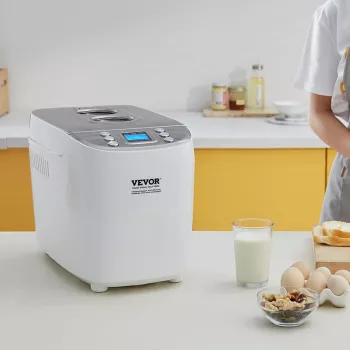
Product spotlight: Automatic Bread Maker with 15 Functions & Gluten-Free Setting
If the goal is dependable, hands-off baking with options for both traditional and gluten-free recipes, Automatic Bread Maker with 15 Functions & Gluten-Free Setting is built around that flexibility. Multiple preset functions make it easier to switch between basic sandwich loaves, whole grain styles, enriched doughs, and dough-only batches for oven-baked shapes.
Extras for a more organized baking routine
- Maximize Function, Minimize Clutter | Multifunctional Room Layouts eBook | Small Space Design Guide | Space-Saving Furniture & Smart Home Ideas
- One Room, Real Progress: A Simple Step-by-Step Guide for Stress-Free Home Organization
FAQ
Does the gluten-free setting make bread safe for people with celiac disease?
No. The program controls mixing, proofing, and baking, but it can’t prevent cross-contact; safety depends on certified gluten-free ingredients, a thoroughly cleaned pan/paddle and tools, and avoiding shared flour dust or contaminated add-ins.
Why does gluten-free bread sometimes sink in the middle?
Common causes include too much liquid, weak structure from missing/insufficient binder, over-proofing, opening the lid late, or underbaking. Try reducing water by 1–2 tablespoons, confirming the binder amount in the recipe, and cooling the loaf completely before slicing.
Can the dough cycle be used for pizza and rolls?
Yes. The dough cycle typically mixes, kneads, and runs the first proof; then you shape the dough and bake it in the oven for better browning, crust, and control over final shape.


Leave a comment