20-Inch Girls Bike: Training Wheels, Banana Seat, Dual Brakes
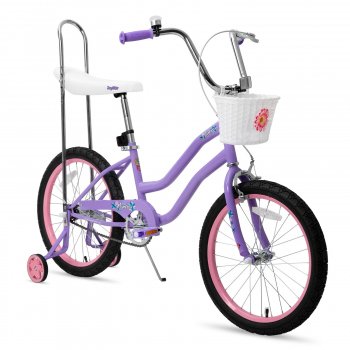
A Comfortable 20-Inch Girls Bike for Confident Riding: Training Wheels, Banana Seat, and Dual Braking
A 20-inch bike can be a big step toward confident neighborhood rides, especially when comfort, control, and safety features work together. This guide breaks down what to look for in a girls 20-inch bike with training wheels, a banana seat for relaxed posture, and both hand and coaster brakes for predictable stopping as skills grow. For broader safety basics before any ride, review guidance from the CDC’s bicycle safety resources and the U.S. Consumer Product Safety Commission helmet safety page.
Who a 20-inch bike typically fits (and how to confirm)
Kids’ bike sizing is best done with body measurements—not birthdays. A 20-inch bike often suits elementary-aged riders, but height, inseam, and confidence level matter more than age.
- Start with rider height and inseam. Measure inseam barefoot: back to a wall, book between the legs, then measure floor to the top edge of the book.
- Confirm stand-over clearance. With feet flat on the ground, there should be a small gap between the rider’s body and the top tube area (or frame midsection) so stops feel easy and controlled.
- Check reach to the handlebars and brake levers. Hands should land naturally on grips, with elbows slightly bent—not locked out.
- Dial in seat height. At the bottom of the pedal stroke, a gentle knee bend helps comfort and efficiency. For new riders, setting the seat a touch lower can improve confidence at stops.
- Plan for growth without sizing up too early. If the bike already feels long to reach, going bigger can slow progress by making steering and starting harder.
Why training wheels still help at this stage
Training wheels can be useful on a 20-inch bike when a rider is ready for longer rides but still building consistency with pedaling, steering corrections, and braking. They reduce the “tip-over fear” that can interrupt learning.
- Prioritize stable mounting. Training wheels should attach firmly with minimal wobble and stay aligned after bumps.
- Look for adjustability. Being able to raise the wheels gradually encourages balance without a sudden jump in difficulty.
- Try a simple progression. Start with both wheels level, then raise one side slightly, then raise both slightly before removing them.
- Practice controlled starts. Teach the “2 o’clock pedal” start: place one pedal forward and high, push down to roll, then begin pedaling smoothly.
Banana seat comfort: posture, stability, and longer rides
A banana seat changes how a bike feels. The broader surface can support a more relaxed, upright posture—often a confidence booster for riders who prefer a stable, “cruiser-like” feel rather than a forward-leaning position.
- More upright posture can feel steadier. It also improves visibility, which helps kids scan driveways and intersections.
- Wider seating surface can reduce pressure points. This is especially helpful for casual neighborhood loops or rides to the park.
- Confirm the seat height range. When stopped, the rider should comfortably reach the ground with at least the balls of both feet (flat feet for beginners is even better).
- Check grip and padding. A grippy cover helps prevent sliding forward during starts and stops, and moderate padding can improve comfort without feeling squishy.
Understanding hand brakes and coaster brakes (and how kids use them safely)
Dual braking (hand brake plus coaster brake) is a practical setup for growing skills. Coaster brakes are often instinctive for kids—pedal backward and the bike stops—while hand brakes build the coordination needed for future bikes.
Braking quick guide for new riders
| Brake type | How it works | Best for | Practice tip |
|---|---|---|---|
| Coaster brake | Pedal backward to slow/stop | Simple stops and quick reactions | Practice stopping from a slow roll without lifting off the seat |
| Rear hand brake | Squeeze lever to slow rear wheel | Controlled slowing and gentle stops | Start with light pressure; increase gradually to avoid skids |
| Front hand brake | Squeeze lever to slow front wheel | Strong stopping power when used smoothly | Teach gentle squeeze; avoid abrupt braking while turning |
Key features to check before buying
Setup checklist for a safer first ride
A ready-to-ride option with dual braking and a banana seat
20 Inch Girls Bike with Training Wheels, Banana Seat, Hand & Coaster Brakes is a practical match for families looking for a 20-inch size with both braking styles and a comfort-oriented seat.
To make day-to-day riding easier, consider a few simple add-ons (when compatible): a bell for shared paths, a basic light set for visibility, and a way to keep gear tidy at home. If bike storage and organization are a challenge in a smaller space, Maximize Function, Minimize Clutter | Multifunctional Room Layouts eBook can help plan a cleaner entryway or garage corner for helmets, locks, and backpacks.
FAQ
What height is a 20-inch kids bike usually for?
Many 20-inch kids bikes fit roughly in the 3’10” to 4’6″ range, but inseam and stand-over clearance are more reliable than height alone. To test at home, have the child straddle the bike with feet flat—there should be a small, comfortable gap at the frame, and the rider should be able to reach the grips and brake levers without locking their elbows.
Is it better for a child to have hand brakes or coaster brakes?
Both can be helpful: coaster brakes feel intuitive for quick stops, while hand brakes build the skills needed for larger bikes and more controlled slowing. Dual braking is especially useful during the learning phase—practice gentle, gradual lever squeezes so stops stay smooth and predictable.
When should training wheels come off?
Training wheels can come off when the rider can start smoothly, ride straight without constant wobble, and stop with control while staying calm with a slight lean. A gradual approach works well: raise the training wheels a little over several sessions to encourage balancing before removing them completely.




Leave a comment