20-Inch Kids’ Bike: Steel Frame + V-Brakes for Daily Rides
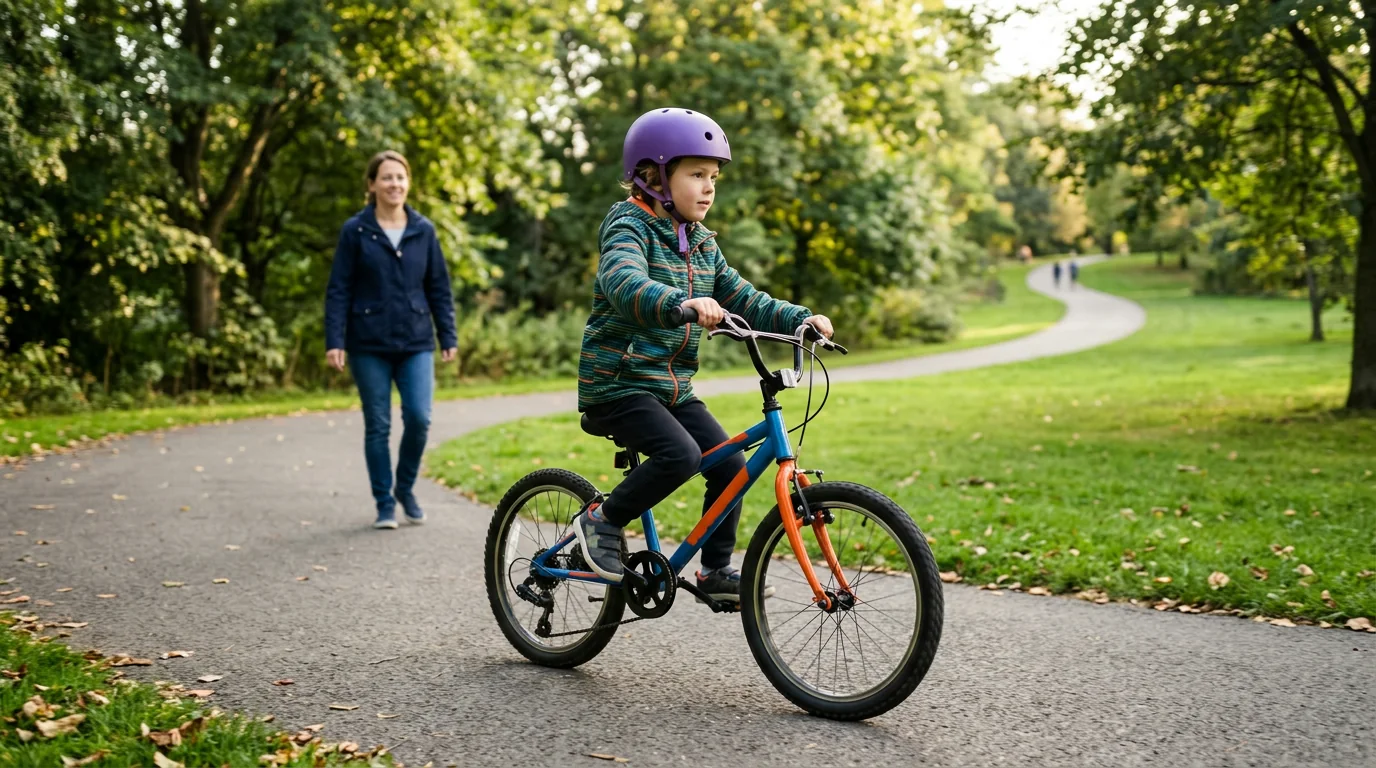
20-Inch Kids’ Bike Built for Everyday Adventures
A 20-inch kids’ bike often hits the sweet spot for confident riding—big enough for real neighborhood loops, still manageable for turns, starts, and stops. This model pairs a durable carbon steel frame with a V-brake system to support steady handling, reliable stopping power, and day-to-day durability for growing riders. For more guidance, see Best 20 Inch Bikes For Kids: Tested & Reviewed – Rascal Rides.
Who a 20-inch kids’ bike fits best
Moving up to a 20-inch wheel size usually signals a big jump in independence: longer rides, slightly faster cruising, and more varied terrain. It’s commonly chosen for kids transitioning from smaller bikes who are ready for mild hills and longer stretches without constant assistance. For further reading, see Summary of differences: various Spa models – Cycling UK Forum.
- Often chosen for kids transitioning from smaller bikes and ready for longer rides and mild hills
- Works well for park paths, sidewalks, and neighborhood streets under supervision
- A practical option for riders who are building skills like signaling, scanning, and controlled braking
- Fit depends on height and inseam more than age; check standover clearance and comfortable reach to the bars
For fit fundamentals and simple measuring tips, see Bicycle Fit Basics. A quick rule of thumb: the rider should feel balanced at a stop, with a comfortable reach to the grips and easy access to the brake levers.
Durable carbon steel frame: why it matters
Kids ride hard—curb bumps, driveway transitions, and the occasional tip-over are part of learning. A carbon steel frame is valued for toughness and impact resistance, which helps the bike keep its shape and feel solid through everyday handling.
- Carbon steel is known for toughness and impact resistance—useful for curb bumps, occasional tip-overs, and everyday handling
- A sturdy frame helps the bike feel stable as speed increases compared with smaller wheel sizes
- Great for families that plan to hand the bike down to siblings or keep it for multiple seasons
- Routine care keeps steel frames looking good: wipe down after wet rides and store indoors or under cover when possible
Steel frames are also straightforward to maintain: keep the bike clean, avoid long-term outdoor storage, and touch up paint chips promptly to reduce the chance of surface rust.
V-brake system: controlled stops with simple maintenance
V-brakes (also called linear-pull brakes) are a popular match for kids’ bikes because they provide strong stopping power with a lever feel that’s easy to understand. They’re also simple to check visually, which helps caregivers spot issues before a ride turns frustrating—or unsafe.
- V-brakes deliver strong stopping force with a straightforward lever feel—helpful for learning smooth braking
- Easy to inspect at a glance: pad contact, cable tension, and alignment are visible without special tools
- Best practice for kids: teach “both brakes gently” rather than grabbing one lever suddenly
- Brake pads are wearable parts; replace when grooves fade or stopping distance increases
Quick brake safety check before rides
| Check | What to look for | Fix if needed |
|---|---|---|
| Lever feel | Levers don’t pull all the way to the handlebar | Tighten cable or adjust barrel; inspect housing |
| Pad contact | Pads hit the rim squarely, not the tire | Re-align pads; ensure mounting hardware is snug |
| Wheel spin | Wheel spins freely without rubbing | Center the brake arms; re-seat wheel |
| Stopping test | Bike stops smoothly at walking speed | Check pad wear and rim cleanliness |
Comfort and control for growing riders
Comfort isn’t just about padding—it’s about posture and control. A stable, relaxed position makes it easier to steer predictably, scan for traffic, and practice smooth braking.
- A confident posture comes from the right reach: elbows slightly bent, shoulders relaxed, eyes forward
- Seat height: a slight knee bend at the bottom of the pedal stroke supports efficient pedaling
- Handlebar grip size matters for smaller hands; ensure the rider can wrap fingers comfortably around brake levers
- Tire pressure affects handling: lower pressures can feel more stable; higher pressures roll faster—stay within sidewall limits
Helmet use is a non-negotiable for everyday riding. For practical safety guidance, review the CDC’s Helmet Safety (Bicycle Helmets) resource and prioritize a snug, level fit every ride.
Everyday durability: parts that take the most wear
Even a sturdy kids’ bike benefits from simple routine checks. Keeping common wear items in good shape helps the bike stay quiet, easy to pedal, and consistent under braking.
Setup checklist for the first week
A practical pick for neighborhood rides
In-stock picks to support everyday riding and storage
- 20-Inch Kids’ Bike with Durable Carbon Steel Frame and V-Brake System
- One Room, Real Progress: A Simple Step-by-Step Guide for Stress-Free Home Organization (helpful for creating a simple “bike drop zone” by the door or in the garage)
- Maximize Function, Minimize Clutter | Multifunctional Room Layouts eBook (useful for planning storage in tighter spaces)
FAQ
What height is a 20-inch kids’ bike usually best for?
Sizing varies by brand, so focus on inseam and standover clearance rather than age alone. Check that the rider can stand over the top tube comfortably, reach the bars without hunching, and pedal with a slight knee bend at the bottom of the stroke.
Are V-brakes good for kids?
Yes—V-brakes offer strong, predictable stopping power and are easy to inspect and maintain. Teach gentle, progressive braking with both brakes, and check pads periodically as they wear over time.
How do you maintain a carbon steel bike frame?
Keep it clean and dry, store it under cover when possible, and wipe off moisture after wet rides. Touch up paint chips promptly to help prevent surface rust from forming.




Leave a comment