Adjustable Dry Line Field Marker: Large Hopper, Metal Wheels
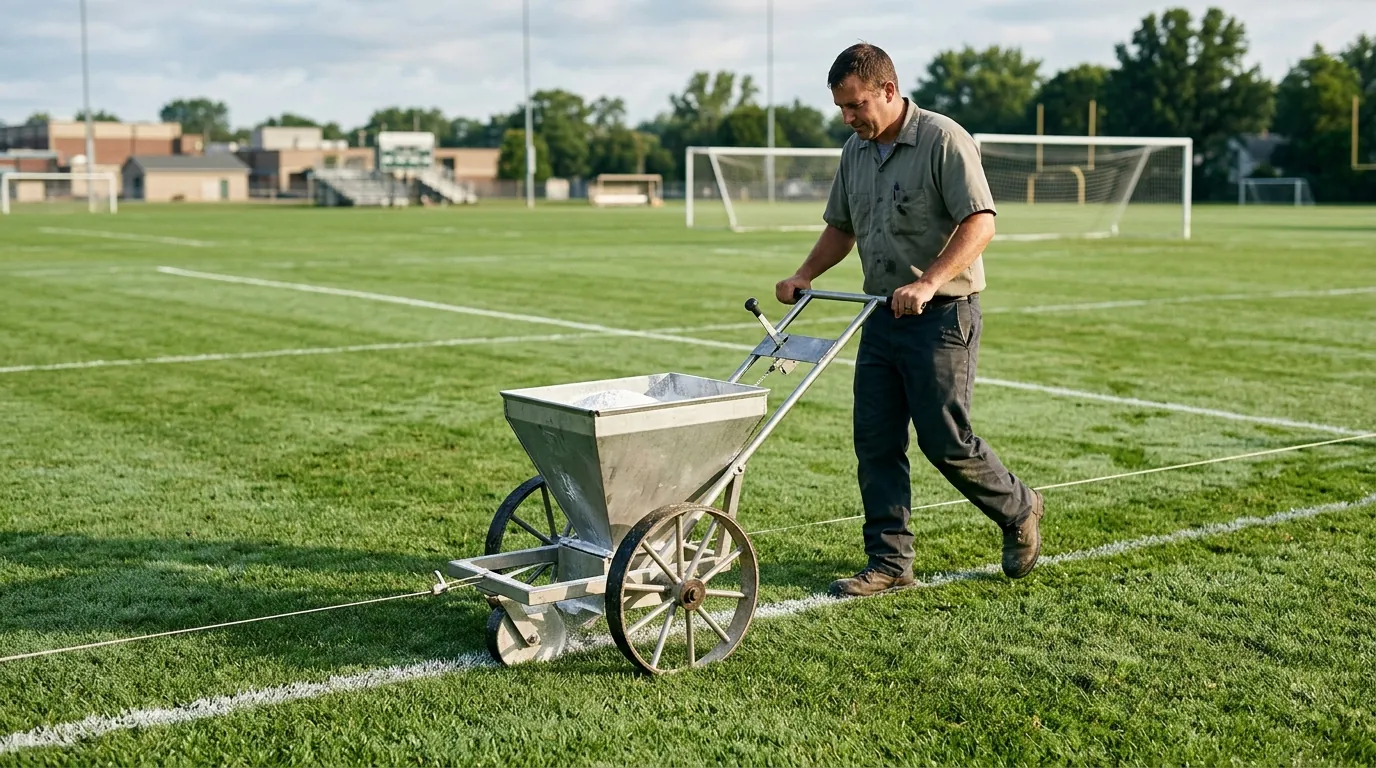
Adjustable Dry Line Field Marker with Large Powder Capacity & Metal Wheels
Clean, consistent field lines help players, officials, and spectators follow the game. An adjustable dry line marker with a large powder hopper and metal wheels is built for straight tracking, steady flow, and fewer refill stops—useful for schools, parks, clubs, and facilities that mark multiple fields in a day.
What this dry line marker is designed to do
- Lay down crisp boundary and hash lines using dry marking powder for common field layouts.
- Adjust line width to match different sport rules and facility preferences.
- Carry more powder per fill to reduce downtime during full-field marking.
- Roll smoothly across short turf, compacted soil, and many infield surfaces with durable metal wheels.
Because dry markers don’t require liquid paint or sprayers, they’re often chosen for routine refreshes, temporary layouts, and facilities that want simple operation and fast cleanup. When the frame tracks straight and the powder feeds evenly, the result is a brighter, more uniform line with fewer touch-ups.
Key features that affect line quality
- Adjustable line width: helps keep markings compliant across different sports and age groups.
- Large powder capacity: fewer refills for soccer, football, baseball foul lines, and multi-field complexes.
- Metal wheels: better tracking and stability than lightweight plastic on uneven or damp ground.
- Flow control and consistent dispensing: supports uniform brightness from start to finish.
- Handle and frame stability: reduces wobble that can cause zig-zagging and line fade.
| Feature | Why it matters | What to check before starting |
|---|---|---|
| Line width adjustment | Matches sport requirements and improves visibility | Set width evenly; confirm both sides are aligned |
| Powder hopper capacity | Fewer refills and more consistent color | Fill dry powder only; close lid securely |
| Metal wheels | Straighter roll and longer service life | Check wheels spin freely; remove packed debris |
| Dispensing gate/agitator | Controls flow rate and reduces clumping | Open gradually; test on a short pass first |
How to set up for straight lines and sharp corners
- Prep the surface: mow and clear the area first. Debris and long grass can interrupt powder flow and make edges look fuzzy.
- Establish a true baseline: string a guide for the first long run. Once the baseline is straight, squaring sidelines and end lines is much easier.
- Run a test pass: start with a short test line to confirm width, flow rate, and brightness before committing to full-length passes.
- Handle corners deliberately: stop dispensing just before the turn, reposition the marker, then restart. This reduces over-application at the pivot point.
- Keep a steady pace: quick starts and stops often cause thick spots, light gaps, or “double-dumped” powder at the beginning and end.
If you’re laying out a new field, confirm marking dimensions before striping. Sport-specific rules and age divisions can change placement and spacing. For authoritative guidance, consult rule sources such as IFAB/FIFA Laws of the Game for soccer, NFHS soccer resources, and Little League field specifications.
Choosing powder and managing capacity
- Use dry, free-flowing marking powder: choose product intended for field striping. Damp material can bridge inside the hopper and clog the dispensing path.
- Store powder sealed indoors: humidity and temperature swings are common causes of clumping, even when the bag looks “mostly fine.”
- Adjust brightness the smart way: if a brighter line is needed, increase flow slightly or make a second light pass rather than dumping extra powder in one heavy pass.
- Plan refill moments: refill at natural breaks (after sidelines, before end lines, or between fields). This keeps line intensity consistent across the entire complex.
A larger hopper helps most when you’re striping full-size layouts or moving from one field to the next without stopping. It’s also useful for crews that want to keep the same flow setting throughout the job rather than constantly re-tuning after each refill.
Maintenance and storage for long service life
Best uses for an adjustable, large-capacity marker
Product options in stock
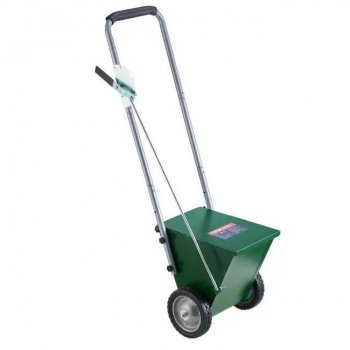
- Adjustable Dry Line Field Marker with Large Powder Capacity & Metal Wheels — a practical choice for stable rolling, fewer refills, and adjustable line width for different layouts.
- Maximize Function, Minimize Clutter | Multifunctional Room Layouts eBook — helpful for planning storage and work areas so field equipment, powder, and tools stay organized and easy to grab.
- One Room, Real Progress: A Simple Step-by-Step Guide for Stress-Free Home Organization — a simple approach to setting up an equipment corner where supplies stay dry, labeled, and ready for the next marking day.
FAQ
How wide should field lines be for common sports?
Many leagues commonly use lines around 4 inches wide, but requirements vary by sport, governing body, and level of play. Check your league’s current rules and set the marker’s adjustable width to match those standards.
Why is my line marker leaving uneven or broken lines?
Uneven lines are usually caused by damp/clumpy powder, a partially clogged dispensing gate/agitator, grass that’s too long, or inconsistent walking speed. Clean the dispenser, use dry powder, clear debris from the wheels, and run a short test pass to confirm smooth flow before striping the full length.
Do metal wheels make a difference compared with plastic wheels?
Yes—metal wheels typically track straighter and feel more stable on uneven ground, and they tend to hold up better with repeated use. Regular cleaning is still important to remove packed soil that can affect rolling and alignment.



Leave a comment