Dramatic Classic Style: Balanced Outfit Formulas
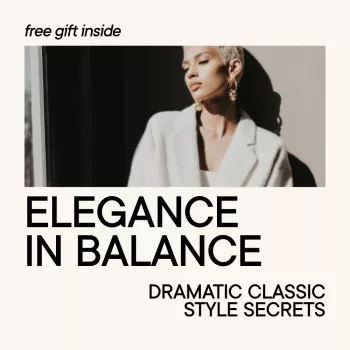
Elegance in Balance: Dramatic Classic Style Secrets and Outfit Formulas
Dramatic Classic style shines when clean symmetry meets a quiet, sharpened edge. The goal is not loud contrast or excessive detail—it’s a polished, balanced silhouette with a hint of vertical emphasis. Use the guideposts below to build outfits that feel intentional, refined, and unmistakably you. For more guidance, see [PDF] U.S. Army War College Guide to National Security Policy and ….
What Makes Dramatic Classic Work
The Dramatic Classic look is easiest to recognize by how “edited” it feels. Nothing fights for attention, yet everything looks considered. For further reading, see [PDF] U.S. Army War College Guide to National Security Policy and Strategy.
- Prioritize balanced lines: structured shapes that look tailored rather than oversized or slouchy.
- Add controlled sharpness: crisp edges, defined shoulders, and sleek styling instead of heavy ornamentation.
- Keep proportions even: tops and bottoms that visually match in weight and scale.
- Choose refined details: minimal hardware, precise seams, smooth finishes.
- Aim for elegance first, drama second: the “dramatic” reads through clarity and precision, not excess.
For broader cultural context on how fashion evolves while maintaining classic design principles, see Britannica — Fashion and the Metropolitan Museum of Art — Fashion and Costume.
Silhouette Blueprint: The Balanced Vertical
Think of Dramatic Classic as a smooth column with subtle shaping—never extreme, never fussy.
- Favor straight or gently tapered silhouettes: sheath, pencil, straight-leg, slim cigarette, tailored A-line.
- Use light vertical emphasis: long lapels, center seams, elongated necklaces, clean monochrome columns.
- Keep waist definition subtle and clean: darts, gentle shaping, minimal belts.
- Avoid competing shapes: extreme peplums, very wide legs with oversized tops, or overly curved lines.
- Choose fabrics that hold form: suiting, ponte, crisp cotton, structured knits, smooth wool blends.
Quick fit checks for a Dramatic Classic outfit
| Element | Best when it looks like… | Common miss to avoid |
|---|---|---|
| Jacket/Blazer | Tailored, crisp shoulder, clean lapel line | Boxy, dropped shoulder, overly long/oversized |
| Top | Smooth, refined neckline; minimal gathers | Fussy ruffles, deep drape, excessive texture |
| Bottom | Straight/pencil/tapered with clean break | Extreme volume, heavy distressing, busy trims |
| Dress | Sheath or tailored wrap with controlled structure | Overly floaty, very clingy bodycon, chaotic prints |
| Shoes | Sleek toe shape, polished finish | Chunky platforms, overly ornate details |
| Accessories | Geometric, scaled to the outfit, minimal shine | Too many statement pieces at once |
Necklines, Sleeves, and Hemlines That Read Polished
When the silhouette is calm, the finishing details do the heavy lifting. Keep them crisp and deliberate.
- Necklines: bateau, clean V, square, high crew—kept crisp and symmetrical.
- Sleeves: set-in sleeves, slim long sleeves, sharp cuffs; avoid excessive puff or droop.
- Hems: knee to midi for skirts; trousers with a tidy break; avoid extreme high-low or very shredded edges.
- Details: choose one “precision point” (sharp collar, strong cuff, defined shoulder) and keep the rest calm.
Color and Print: Calm Contrast, Clear Intent
Color can carry drama without adding clutter. The Dramatic Classic sweet spot is controlled contrast—clear, clean, and not overly busy.
- Build outfits around controlled contrast: monochrome columns, tonal dressing, or a crisp two-color palette.
- Prints: medium scale, orderly geometry, subtle stripes; keep placement aligned rather than chaotic.
- Texture: smooth and refined; if using texture, keep it low-pile and structured (for example, a clean-pattern jacquard).
- Metal accents: choose one finish (gold or silver) and keep hardware consistent.
Outfit Formulas for Everyday to Evening
These formulas are built to be repeatable. Swap colors and fabrics, but keep the same balanced architecture.
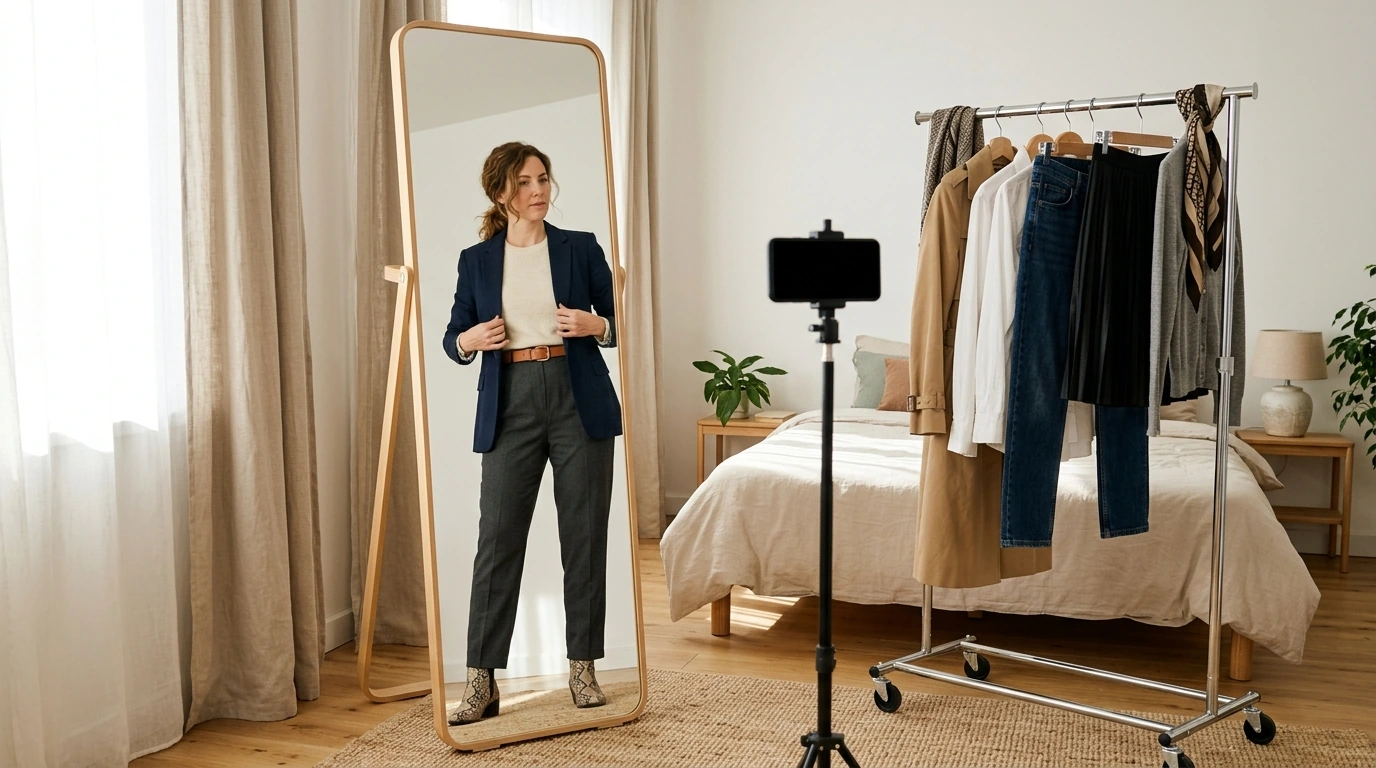
- Work polish: tailored blazer + smooth knit top + straight trousers + pointed-toe flats/heels.
- Smart casual: crisp button-up + high-waist cigarette pants + sleek loafers + structured bag.
- Dress option: sheath dress + longline coat + minimal jewelry + clean heel.
- Weekend refined: fitted tee + dark straight denim (no heavy distressing) + sharp jacket + simple sneakers.
- Evening: column dress or sleek jumpsuit + defined-shoulder layer + single statement earring.
- Cold weather: structured coat + tonal scarf + tapered trousers + streamlined boots.
Capsule Pieces That Deliver the Look
If you want the maximum number of outfits with the minimum amount of decision fatigue, start here:
Common Styling Pitfalls (and Simple Fixes)
A Guided Shortcut: Ready-to-Use Style Secrets
- Use a repeatable formula: structured layer + smooth base + clean bottom + sleek shoe.
- Keep outfits symmetrical and intentional: matching finishes, aligned proportions, minimal clutter.
- Lean on outfit templates when shopping: look for “tailored, crisp, refined” descriptors.
- For a deeper set of outfit ideas and styling rules tailored to Dramatic Classic, keep a dedicated reference: Elegance in Balance: Dramatic Classic Style Secrets – A Guide to Dramatic Classic Kibbe Outfit Ideas.
Helpful downloads to support a streamlined wardrobe
- Elegance in Balance: Dramatic Classic Style Secrets – A Guide to Dramatic Classic Kibbe Outfit Ideas ($8.99)
- One Room, Real Progress: A Simple Step-by-Step Guide for Stress-Free Home Organization ($7.99)
- Maximize Function, Minimize Clutter | Multifunctional Room Layouts eBook | Small Space Design Guide | Space-Saving Furniture & Smart Home Ideas ($20.99)
FAQ
How is Dramatic Classic different from Dramatic or Classic?
Dramatic Classic blends Classic symmetry and moderation with a touch of Dramatic sharpness and vertical emphasis. It’s less extreme and elongated than pure Dramatic, and more crisp and defined than pure Classic.
Can Dramatic Classic wear oversized or very trendy pieces?
Yes—just keep it controlled. Use one relaxed item at a time, maintain structure elsewhere, and avoid dropped shoulders, excessive volume, or messy layering that blurs clean lines.
What are the easiest shoes and bags to start with for Dramatic Classic?
Start with sleek, structured staples: pointed-toe flats, refined loafers, and narrow ankle boots, plus a medium structured bag with minimal hardware. Skip overly chunky soles, slouchy shapes, and ornate embellishments.





Leave a comment