Plush Winter Vest for Small Dogs & Cats: Cozy Fit Guide
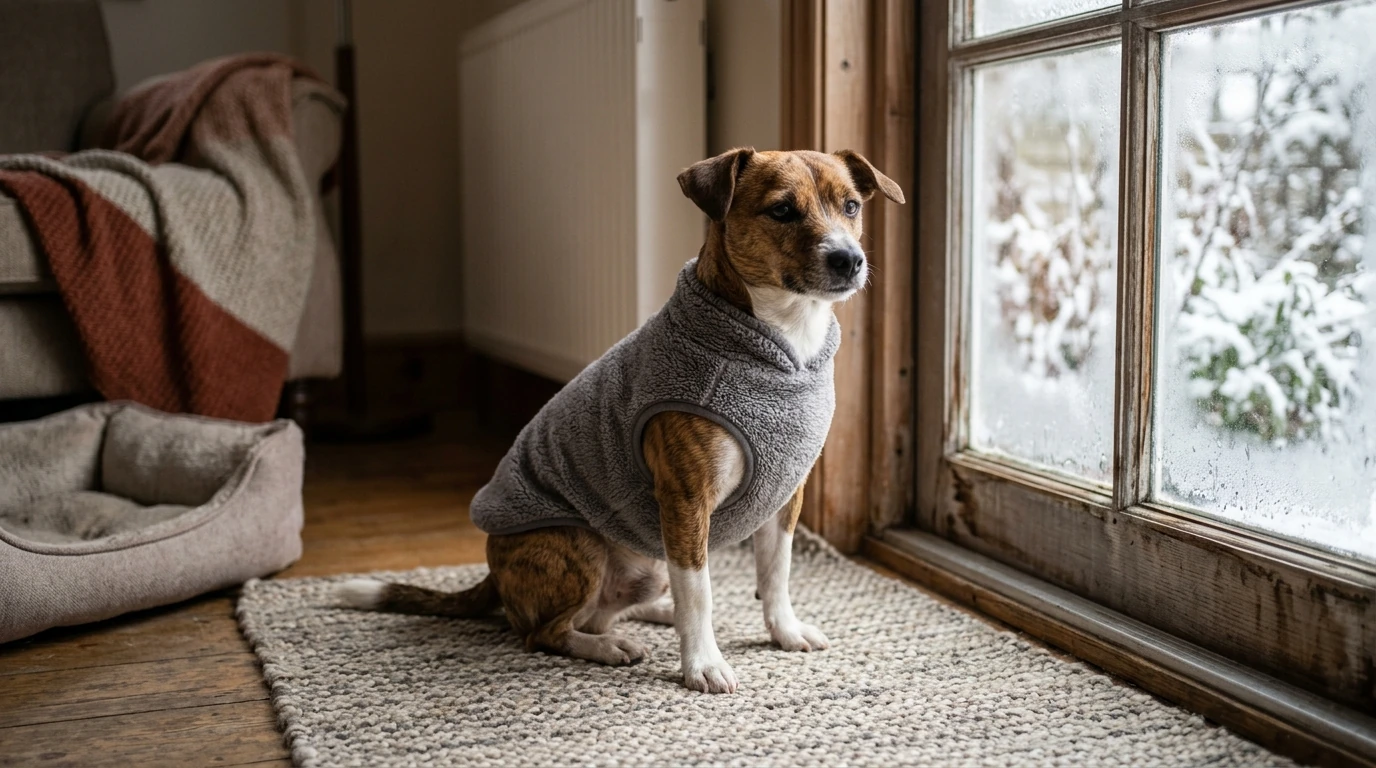
Cozy Plush Winter Vest for Small Dogs & Cats: Warmth Without the Bulk
Cold snaps and chilly indoor drafts can be uncomfortable for small pets, especially those with short coats or lower body weight. A plush winter vest adds a soft, insulating layer that helps retain heat while keeping movement easy for walks, quick potty breaks, and lounging at home.
Why Small Dogs and Cats Get Cold Faster
Many small dogs and cats feel the cold sooner than larger pets—even when the temperature seems “not that bad” to humans. Their comfort can change quickly with wind, damp air, or a cold floor.
- Smaller bodies lose heat more quickly, particularly during short outdoor trips in wind or damp conditions.
- Short-haired breeds, seniors, and pets with lower body fat may need extra insulation even at mild temperatures.
- Indoor temperature swings (nighttime cooling, drafty floors) can affect comfort, especially for pets that sleep near doors or windows.
For broader cold-weather safety guidance (including time outdoors and signs of trouble), see the American Veterinary Medical Association cold weather animal safety resource and the ASPCA cold weather safety tips.
What Makes a Plush Winter Vest Comfortable
A winter layer should feel like a cozy add-on—not a distraction that changes how your pet walks, sits, or jumps. Comfort usually comes down to fabric feel, freedom of movement, and a fit that seals in warmth without squeezing.
- Soft plush lining supports warmth while reducing the “crinkly” feel that can bother sensitive pets.
- A vest shape keeps legs and shoulders free for normal stride and jumping onto furniture.
- A snug-but-not-tight fit helps trap warm air; too loose can let cold air circulate, too tight can restrict breathing and movement.
- Look for smooth seams at the chest and armpits to minimize rubbing during walks.
If your pet is new to wearing clothing, start with short, calm indoor sessions and reward relaxed behavior. The goal is for the vest to become a neutral, comfortable part of the routine.
Cozy Plush Winter Vest for Small Dogs & Cats: Key Highlights
When you want warmth without stiff outerwear, a plush vest can be a simple, low-fuss option for everyday winter comfort.
- Designed for small dogs and cats needing an extra warm layer during winter walks or cool indoor days.
- Plush, cozy feel suited to pets that dislike stiff outerwear.
- A simple vest silhouette that’s easy to put on and remove for quick outings.
- Product page for details, current pricing, and availability: Cozy Plush Winter Vest for Small Dogs & Cats
Quick Fit and Use Checklist
| Check | What to Look For | Why It Matters |
|---|---|---|
| Neck and chest comfort | Two fingers fit under the vest at the chest; no pressure on throat | Helps breathing stay easy and prevents gagging or discomfort |
| Armpit clearance | No rubbing where front legs meet the body | Reduces chafing on longer walks |
| Back coverage | Covers core without blocking tail movement | Supports warmth while preserving natural posture |
| Movement test | Pet can sit, stretch, and walk normally | Confirms the vest won’t limit stride or play |
| Indoor trial | Wear for 5–10 minutes before going out | Builds confidence and helps catch fit issues early |
Choosing the Right Size and Getting the Fit Right
Fit is the difference between “instant cozy” and “nope.” Before buying, take a minute to measure—especially if your pet is fluffy, in-between sizes, or sensitive about anything touching their legs.
- Measure chest girth at the widest point behind the front legs; this is usually the most important measurement for vests.
- Measure neck circumference and back length to confirm overall coverage and comfort.
- If measurements fall between sizes, choose the size that fits the chest comfortably; adjust expectations for layering underneath.
- For fluffy-coated pets, measure without compressing fur too much to avoid an overly tight fit.
- After the first wear, check for any redness at the chest, armpits, or along the spine.
A quick tip for cats: make sure the shoulder area is especially free. A cat that can’t extend their front legs comfortably is likely to “freeze,” roll, or try to back out of the vest.
When to Use a Winter Vest (and When Not to)
A vest is best used like a light jacket—put it on when conditions call for it, then take it off when your pet is back in a warm, stable environment.
For dogs spending time outdoors in winter, the American Kennel Club’s cold weather safety guidance is a helpful reference for monitoring comfort and avoiding cold-related risks.
Care Tips to Keep Plush Gear Fresh
Comfort Add-Ons for Cold Weather Routines
- Hydration matters even in winter; warm indoor air can be drying, and pets may drink less if water isn’t fresh.
- A circulating fountain can encourage steady drinking habits for both cats and dogs: Stainless Steel UV Filter Pet Water Fountain
- Pair outerwear with simple habits: shorter walks during extreme cold, paw checks after salted sidewalks, and a warm resting spot away from drafts.
FAQ
How do you know if a winter vest is too tight?
Signs include restricted stride, hesitation to sit or lie down, visible pressure at the chest/neck, or rubbing under the front legs. A comfortable fit allows normal movement and easy breathing; aim for about two fingers of space at the chest.
Can cats wear a winter vest safely?
Yes, if the fit allows full shoulder movement and the cat can jump, turn, and groom comfortably. Start with short supervised wear indoors and remove it if the cat shows stress, freezing, or repeated attempts to wriggle out.
Is it okay for a pet to wear a vest all day indoors?
Usually better to use it as needed. Remove the vest if the home is warm, if the pet is sleeping unsupervised, or if there are any signs of overheating (panting, restlessness) or irritation.




Leave a comment