What Hermès Stands For: Craft, Scarcity & Quiet Status

What Hermès Truly Represents: Craft, Constraint, and the Modern Status Symbol
Hermès is often reduced to a logo, a waitlist, or the headline price of a Birkin—yet the brand’s influence runs deeper than visibility. Its version of luxury is built on workmanship, controlled scarcity, and a quiet design language that signals knowledge as much as wealth. Understanding what Hermès stands for helps explain why certain pieces become cultural shorthand for status, how the Birkin phenomenon took hold, and how to wear Hermès in a way that looks intentional rather than performative. For more guidance, see Hermès – The Strategy Insights Behind The Iconic Luxury Brand.
From saddlery to shorthand for excellence
Hermès began with equestrian roots, and that origin still shapes what people “feel” when they handle the brand: leather that holds structure, hardware that looks engineered rather than decorative, and finishing that’s meant to last through use rather than merely photograph well. The early emphasis on function—buckles, straps, stitching, balance—created a baseline expectation that durability is part of the luxury, not separate from it. For further reading, see Quiet Luxury and Timeless Desire: How Hermès Mastered Luxury.
Another pillar is continuity. Hermès participates in seasons, runway cycles, and new drops, but it’s the repeated codes that build trust: recognizable silhouettes, stable proportions, and a consistent approach to materials. That consistency is why a piece can read current without chasing trends; it looks like it belongs to an ongoing lineage rather than a moment.
Finally, Hermès behaves like a “house.” Leather goods, silk, jewelry, ready-to-wear, and home categories share a related point of view: refined but rarely loud, playful in detail but disciplined in overall form. The result is a brand that can move across categories without diluting its standard of finish or restraint. For brand background, see Encyclopaedia Britannica’s overview of Hermès and the brand’s own presentation at Hermès.
What “luxury” means in the Hermès universe
In many modern luxury houses, value is communicated through visibility. In the Hermès universe, value is more often communicated through time and touch: the impression of skilled labor, careful hand-finishing, and the idea that an object can be maintained and repaired. Craft becomes a form of permanence—less “newness” and more “still excellent years later.”
Constraint is the other defining strategy. Controlled production, selective distribution, and limited supply don’t just raise demand; they shape behavior. The buyer is trained to wait, to look closely, and to treat the purchase as something earned rather than grabbed. That “earned” feeling becomes part of the product story.
Understatement is the third lever. For many buyers, the goal isn’t mass recognition. It’s recognition by the right eyes: someone who notices the leather, the silhouette, the stitch line, the proportion of hardware, or a specific color family. In that sense, time becomes part of the object—waiting, relationship-building, and patience function as social proof, whether or not anyone says it out loud.
Status symbol psychology: why Hermès communicates more than wealth
Hermès signals in layers. Price is the obvious layer, but it’s rarely the most interesting one. Taste, access, and knowledge carry equal weight because they’re harder to replicate quickly. A logo can be copied; a convincing material story and a coherent wardrobe context are harder to fake.
| Signal type | What it communicates | Common examples | How to use it well |
|---|---|---|---|
| Craft | Discernment and long-term thinking | Leather handbags, belts, shoes | Choose timeless shapes; keep condition impeccable |
| Access | Network, patience, and purchasing history | Highly desired bags and limited items | Avoid oversharing; let styling speak |
| Knowledge | Insider literacy and taste | Silk scarves, subtle jewelry, vintage finds | Mix with non-logo basics; emphasize proportion |
| Restraint | Confidence without loud branding | Neutral leathers, minimal hardware | Use one “anchor” piece per outfit |
The Birkin phenomenon: myth, mechanics, and meaning
Smart styling: making Hermès look effortless
Buying with clarity: taste, longevity, and digital-era signals
A deeper guide for understanding Hermès and wearing it well
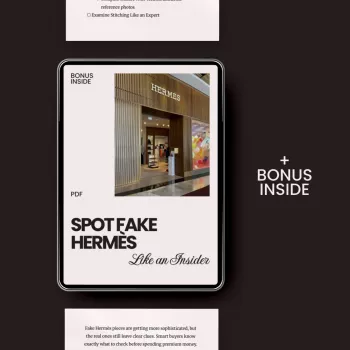
For a structured reference that connects brand history, status dynamics, and practical outfit choices, explore What Hermès Truly Represents – Luxury Guide to What Hermès Stands For, Status Symbol Meaning, Birkin Phenomenon & Smart Styling Digital Download. It’s designed for shoppers, collectors, and anyone who wants to decode what Hermès communicates in different settings without leaning on hype.
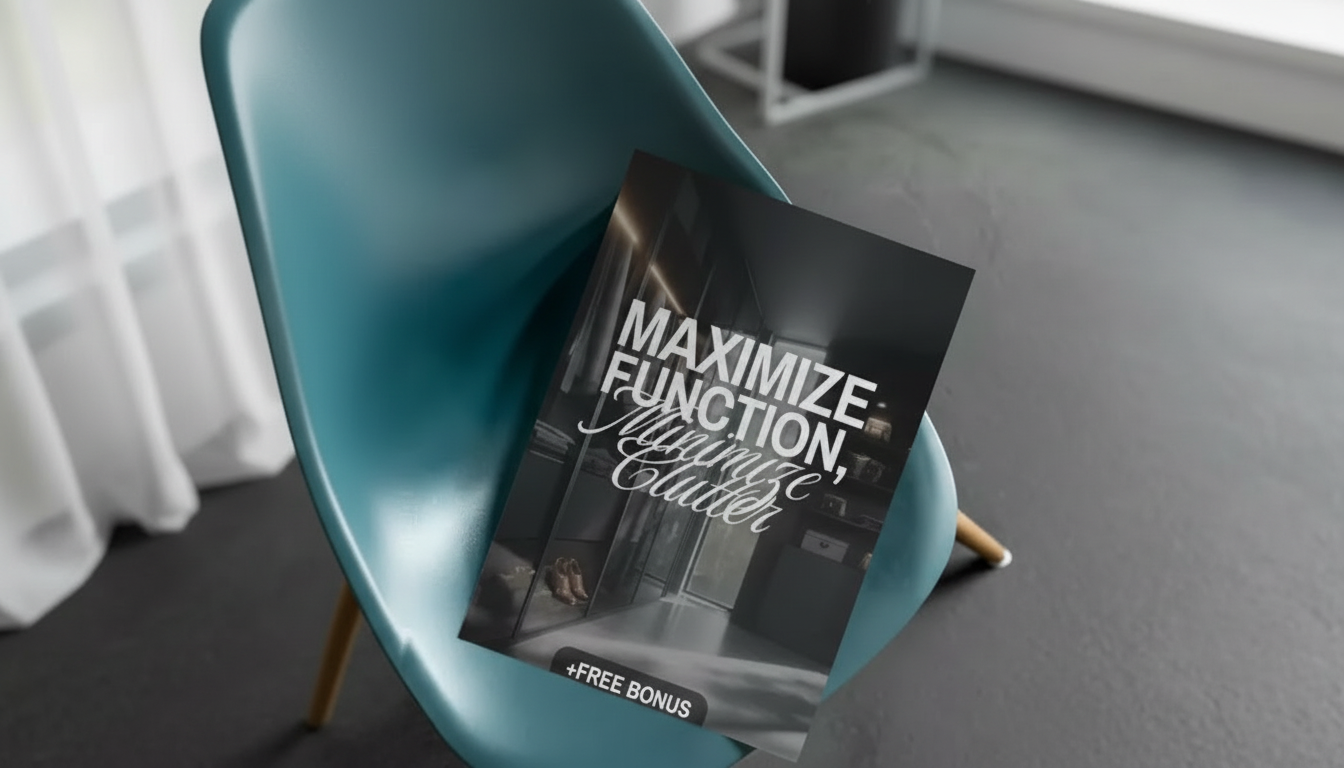
For a wardrobe that makes luxury look natural rather than “assembled,” a calmer home and simpler routines can help. Two useful companions are One Room, Real Progress: A Simple Step-by-Step Guide for Stress-Free Home Organization and Maximize Function, Minimize Clutter | Multifunctional Room Layouts eBook.
FAQ
Why is Hermès considered the ultimate status symbol?
Hermès combines high craftsmanship with controlled scarcity and a long heritage, so the signal isn’t just money—it’s access, patience, and insider recognition. The ability to obtain certain items can function as social proof in a way that’s difficult to replicate quickly.
Is the Birkin mainly about investment value or style?
It’s both, but the “asset” narrative depends heavily on condition, desirability, and timing, and resale outcomes can vary. Style tends to be the better long-term guide: the bag works best when it fits real daily needs and aligns with personal proportions and wardrobe.
How can Hermès be styled without looking flashy?
Use one anchor piece at a time and keep silhouettes clean, fabrics matte, and colors coordinated with a subtle repeat elsewhere in the look. Avoid stacking multiple obvious signals; coherent fit and restraint make the brand read confident rather than loud.



Leave a comment