Pet Food Allergy Tracker for Dogs & Cats: Vet-Ready Log
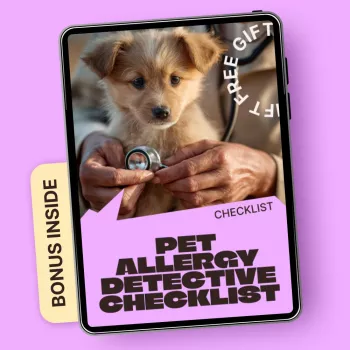
Pet Allergy Detective Checklist: Track Food Allergy Signs in Dogs and Cats and Walk Into the Vet Prepared
When a pet’s itching, stomach upset, or ear infections keep returning, patterns matter as much as symptoms. A simple, consistent tracker helps connect flare-ups to food, treats, supplements, and environmental changes so the next vet visit starts with clear, useful details instead of guesses.
Food allergies vs. intolerances: why the distinction changes next steps
“Food allergy” and “food intolerance” can look similar at home, but they’re not the same problem—and that affects what your veterinarian may recommend.
- Food allergy is an immune response. It often shows up as skin issues (itching, ears, paws) and can also include gastrointestinal signs.
- Food intolerance is a non-immune sensitivity, usually centered on digestion (diarrhea, gas, vomiting) and may happen without classic allergy skin signs.
- Overlap is common. Seasonal timing and quick flare-ups after exposure can suggest environmental triggers, but food can still be involved—tracking helps sort the mix.
- Confirmation is different than suspicion. A vet-guided elimination diet is the most reliable way to confirm a food allergy; tests alone can be misleading.
Common patterns that can hint at the type of reaction
| Clue | More consistent with | What to track |
|---|---|---|
| Itching that doesn’t follow seasons | Food allergy or year-round environmental allergy | Daily itch score, new proteins, treats, supplements |
| Recurrent ear infections | Allergy (food or environmental) | Ear odor/discharge, cleaning products used, diet changes |
| Loose stool shortly after meals | Intolerance or dietary upset | Meal ingredients, portions, timing, stool quality |
| Symptoms improve on a strict novel-protein diet | Possible food allergy | Exact diet details, no-cheat compliance, recheck dates |
Most common food-allergy signs to watch for (dogs and cats)
Skin and ears are frequent “telltale areas,” but digestive and behavior changes can matter just as much—especially when they repeat in a predictable rhythm.
- Skin: scratching, red patches, hot spots, hives, hair loss, flaky skin, chin acne (cats).
- Paws: licking/chewing paws, stained fur between toes, interdigital redness.
- Ears: shaking head, scratching ears, odor, waxy buildup, recurrent infections.
- Digestive: vomiting, diarrhea, soft stool, gas, increased bowel movements, appetite changes.
- Behavior and comfort: restlessness, sleep disruption from itching, irritability during flare-ups.
- Red flags needing prompt veterinary care: facial swelling, trouble breathing, repeated vomiting, blood in stool, severe lethargy, rapid worsening skin infection.
Quick symptom scoring guide (for consistent tracking)
| Area | 0–1 (mild) | 2–3 (moderate) | 4–5 (severe) |
|---|---|---|---|
| Itching | Occasional scratching | Frequent scratching interrupts play | Constant scratching, skin damage |
| Ears | Slight wax/odor | Redness, frequent head shaking | Pain, discharge, strong odor |
| Stool | Normal/firm | Soft but formed | Watery, urgent, or bloody |
| Vomiting | None/rare | 1–2 episodes in a week | Repeated or cannot keep water down |
What to log daily to identify patterns faster
The goal is simple: reduce “unknowns.” Many pets eat more than just meals, and even small add-ons can muddy the timeline.
- Meals: brand/recipe, protein source, batch changes, toppers, and exact portion sizes.
- Treats and chews: dental chews, training treats, bully sticks, flavored pills, lick mats, peanut butter, broth, freeze-dried toppers.
- Supplements and medications: fish oil, probiotics, joint chews, heartworm/flea preventives, flavored antibiotics—note start dates.
- Environmental shifts: new laundry detergent, grooming products, bedding, pollen season spikes, daycare/boarding, carpet cleaning.
- Symptom timeline: time of day, duration, itch score, ear score, stool quality, vomiting episodes, photos of skin/ears at flare onset.
- “No-cheat” notes: who fed the pet, food left within reach, table scraps, and multi-pet feeding mix-ups.
A simple daily log format
| Date | Food/Treats | Symptoms (scores) | Notes (meds, environment, photos) |
|---|---|---|---|
| Mon | Kibble + chicken treat | Itch 3, Ears 2, Stool 2 | Started new flea chew; vacuumed carpets |
| Tue | Kibble only | Itch 2, Ears 2, Stool 1 | No changes; added ear cleaning |
How to use the Pet Allergy Detective Checklist effectively
Consistency beats detail. Short scores and clean “start/stop” dates make your notes easy for a veterinarian to interpret—especially when symptoms fluctuate.
If you want a ready-to-print format designed for vet visits, use the Pet Allergy Detective Checklist to keep daily entries uniform and easy to scan.
Elimination diet basics (and where tracking prevents setbacks)
Common “accidental exposures” to record
| Exposure | Why it matters | Easy prevention |
|---|---|---|
| Flavored medications | Can contain poultry or beef flavoring | Ask for unflavored or alternative forms |
| Shared treats between pets | Cross-contamination makes patterns unclear | Separate treat bins and feeding areas |
| Chews and bones | Often single-protein but highly reactive for some | Use vet-approved trial-safe options only |
| People food | Mixed ingredients complicate identification | Household rule: no scraps during the trial |
When to call the vet sooner and what to bring
Hydration can influence comfort during digestive flare-ups. If you’re upgrading your pet’s water setup, the Stainless Steel UV Filter Pet Water Fountain can help encourage steady water intake (while you and your vet focus on identifying the trigger).
Trusted resources for deeper reading
- American College of Veterinary Dermatology (ACVD) – Food Allergy in Pets
- Cornell University College of Veterinary Medicine – Food Allergies in Pets
- Merck Veterinary Manual – Pruritus (Itching) and Allergic Dermatitis Overview
FAQ
How long should symptoms be tracked before a vet visit?
If possible, track for at least 1–2 weeks, and longer (3–8 weeks) for recurring issues to reveal patterns. For urgent or severe signs, seek care right away and continue tracking alongside treatment.
Can a pet develop food allergies later in life?
Yes. Sensitization can develop over time, so even proteins a pet has eaten for years can become triggers. Consistent logs help your veterinarian choose a more targeted elimination plan.
Should treats be stopped during an elimination diet?
Usually yes, unless the treats are made from the exact same trial-safe ingredients as the prescribed diet. Hidden flavors in chews, pill pockets, and “people food” are common reasons elimination trials fail.





Leave a comment